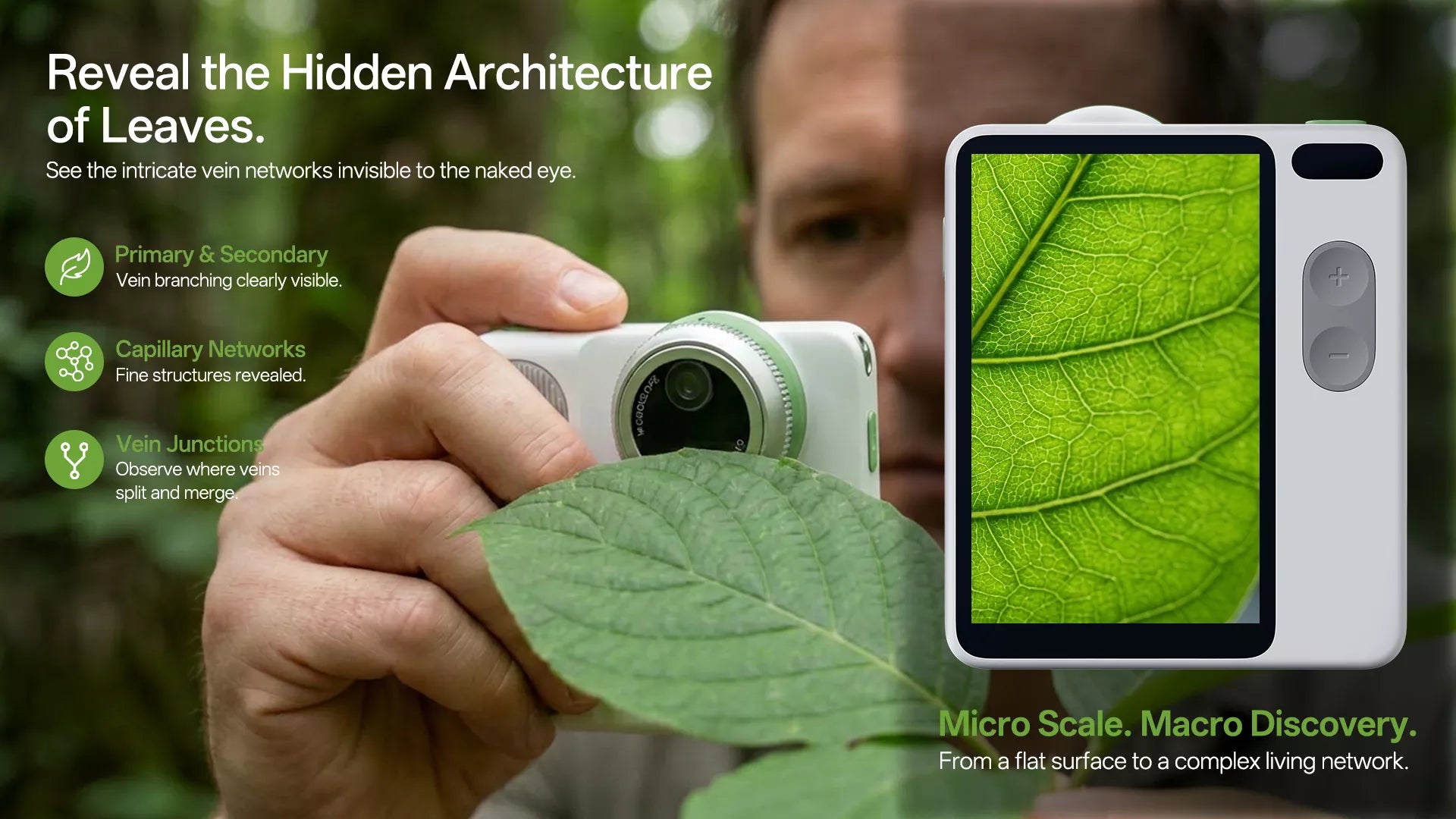
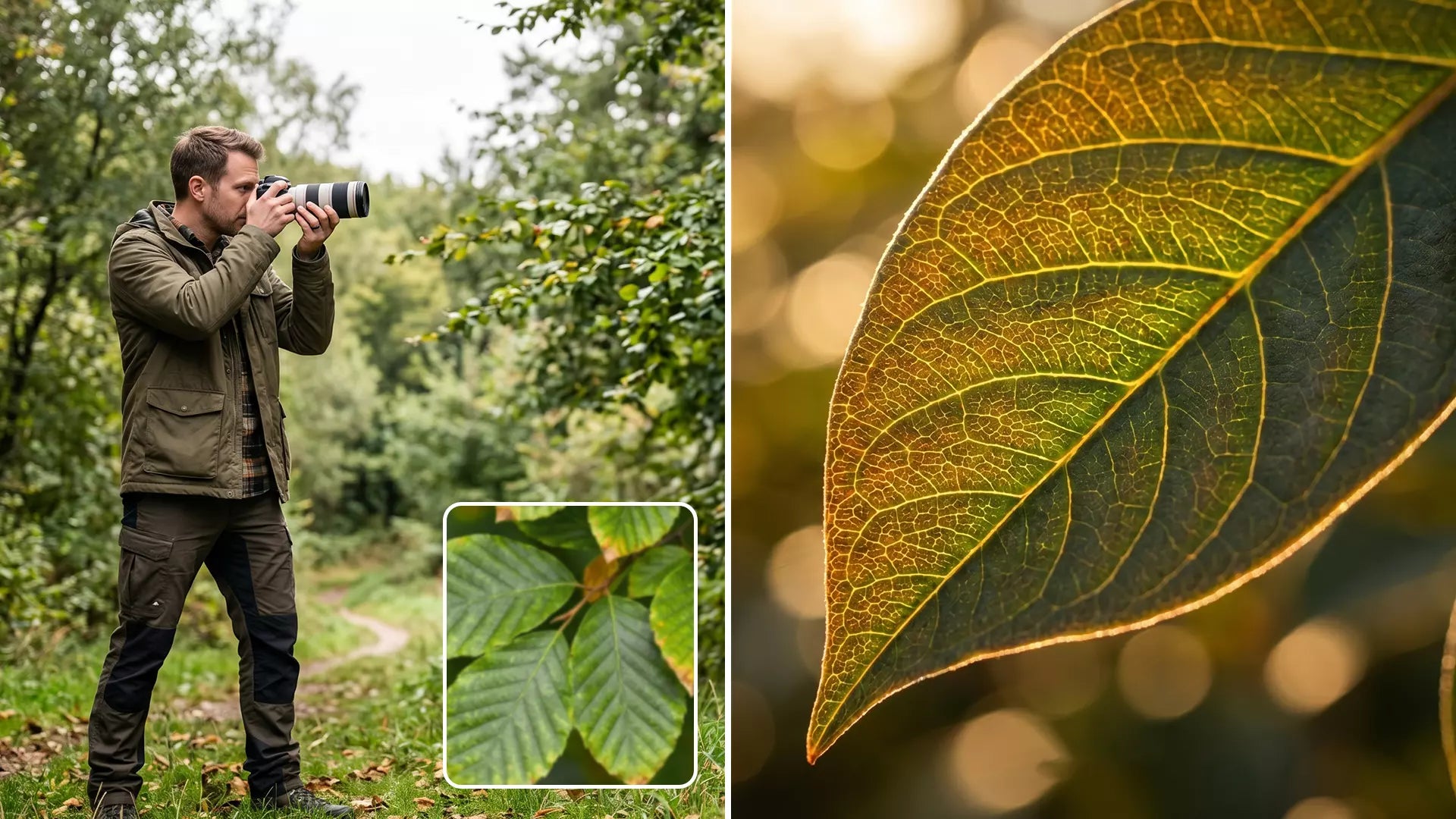
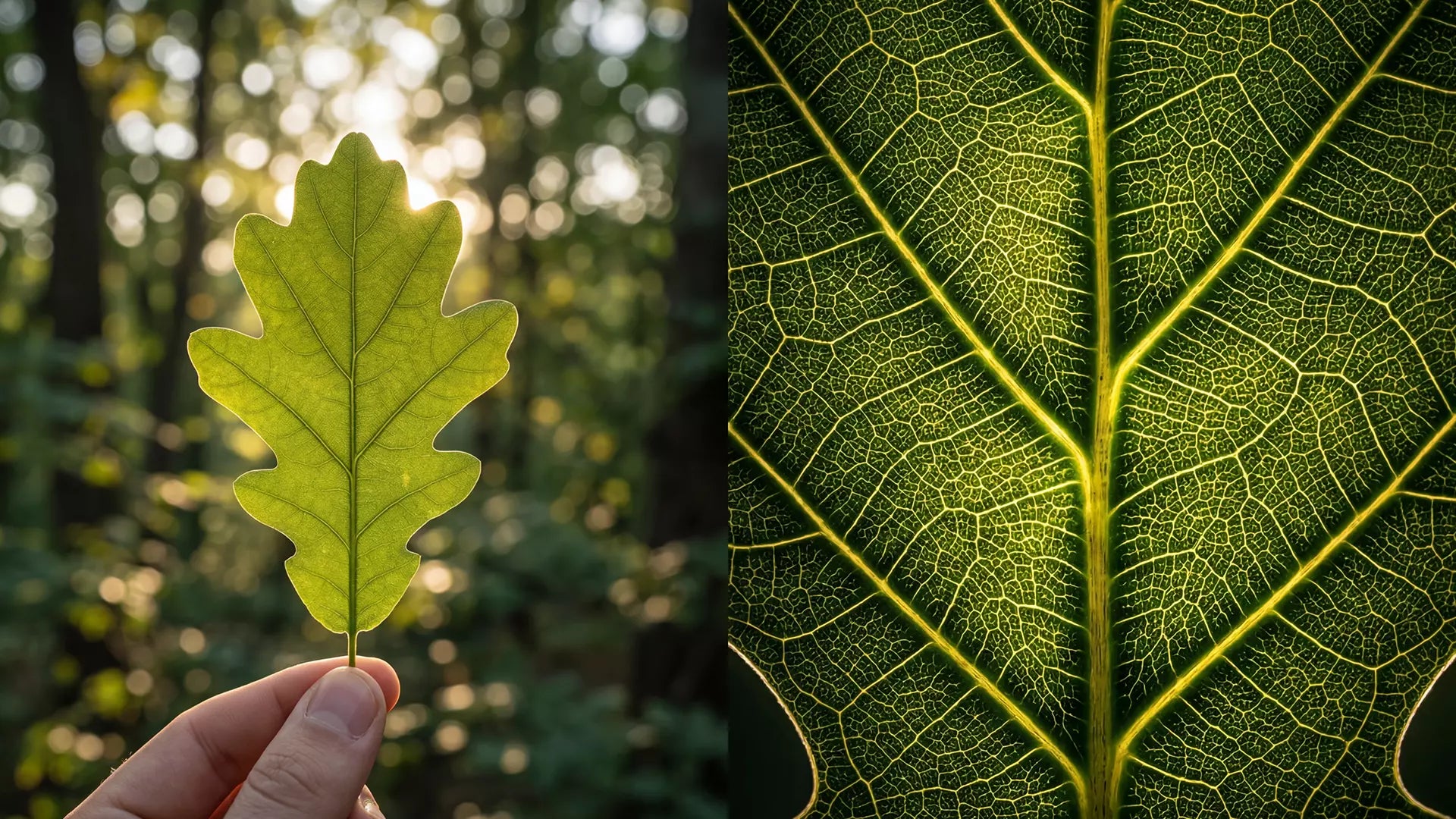
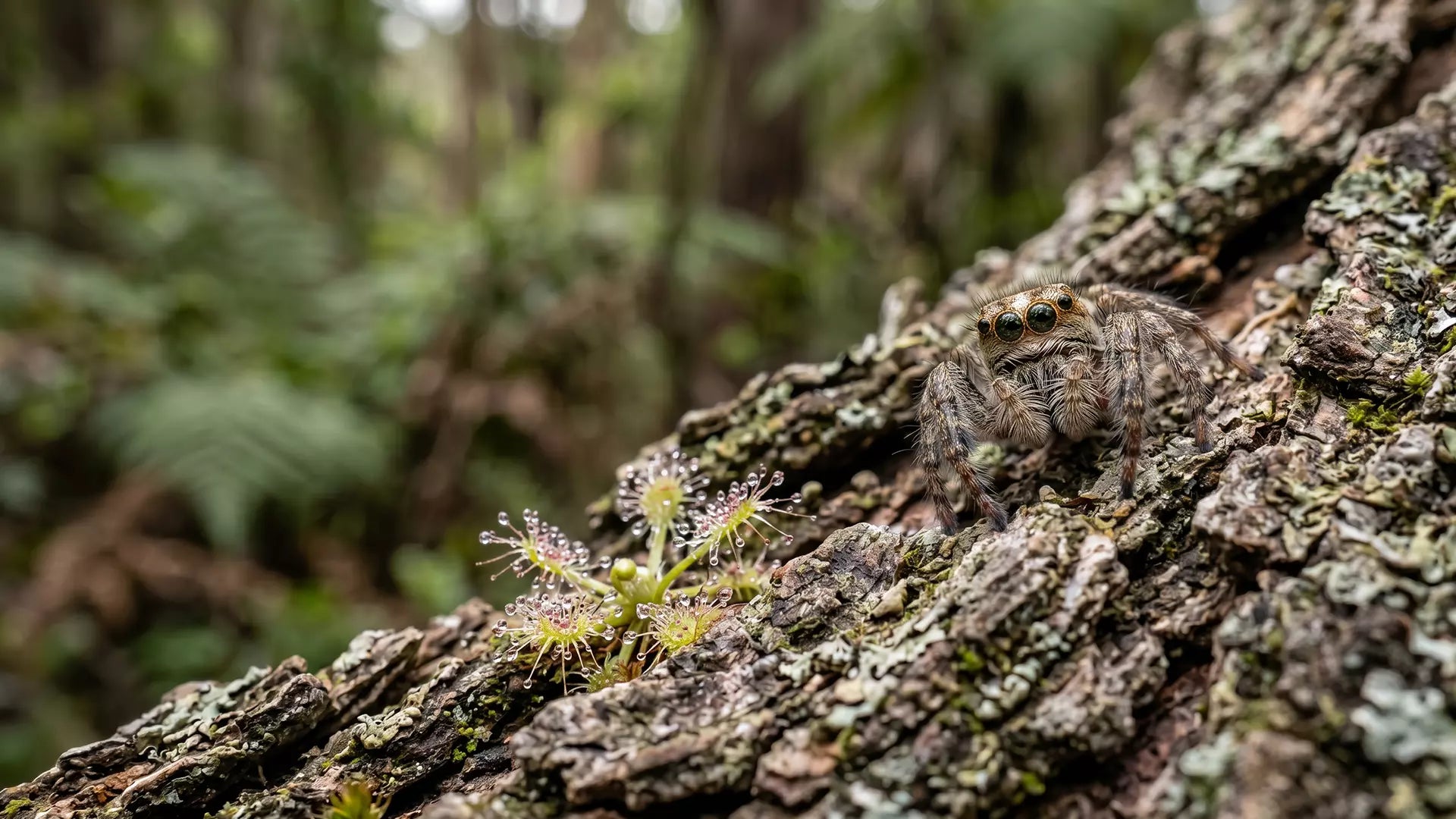
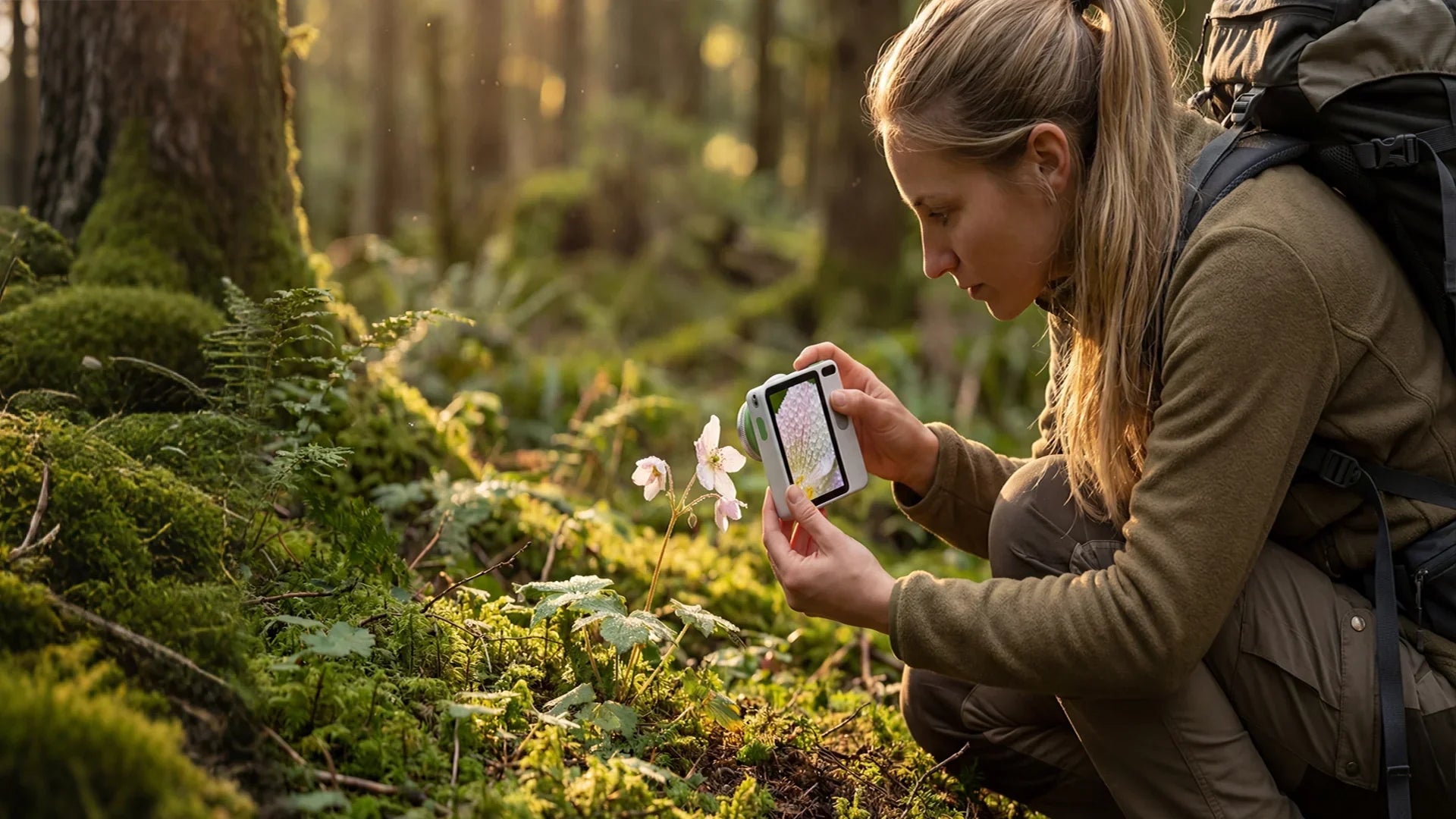
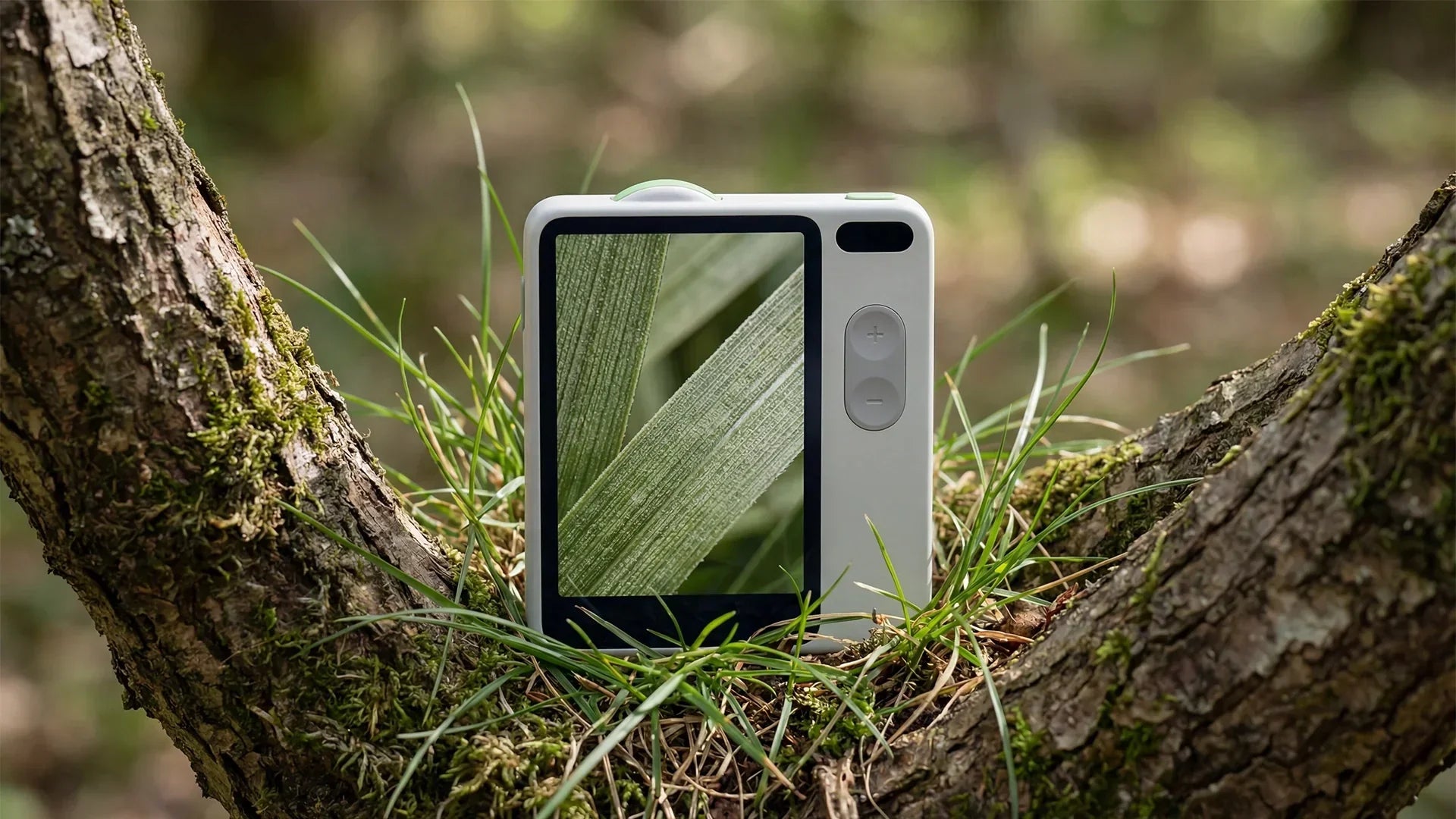
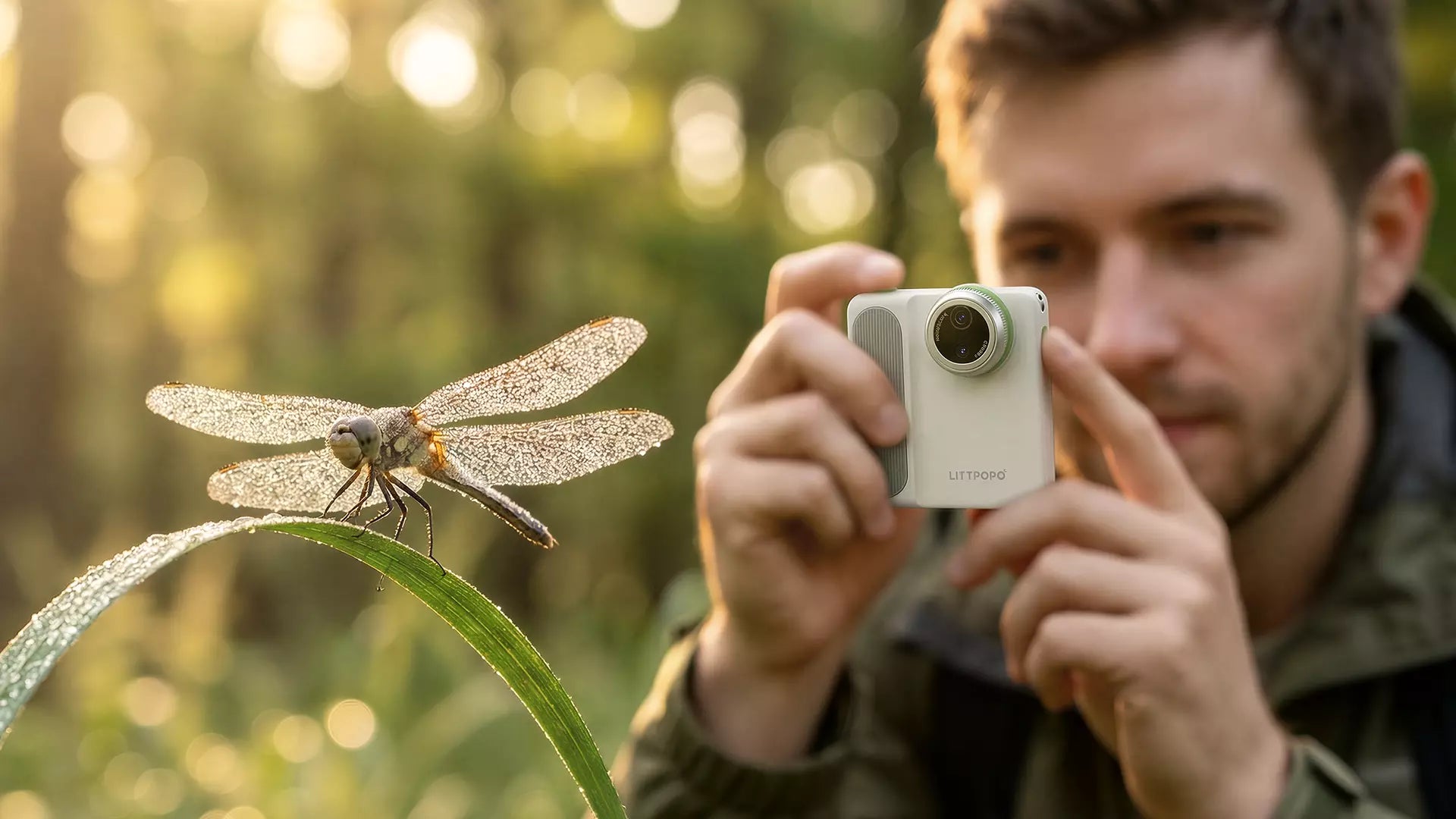
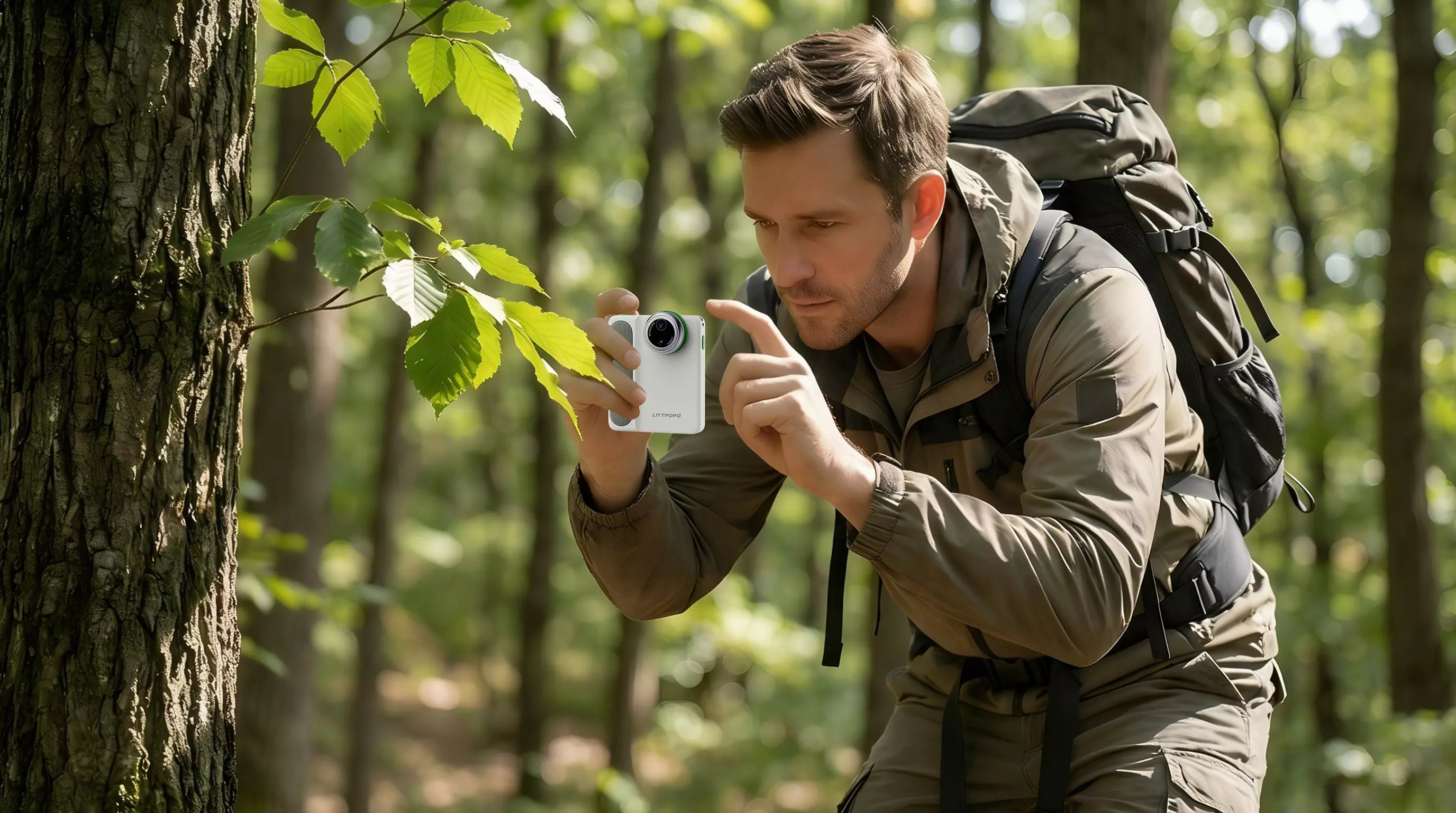
Leaf veins look different under a microscope camera because magnification reveals their internal structure, branching patterns, and surface textures that are not visible to the naked eye. In outdoo...
Macro nature photography is frustrating at first.Why do your photos look nothing like what you see?Why does everything lose detail the moment you shoot?
I ran into this immediately.
The issue wasn’...
Leaf vein photography sounds niche.But here’s the problem.
Why do your outdoor photos look flat?Why do plants look boring on camera but amazing in real life?Why does macro photography feel complica...
The best locations for macro photography in Europe include the Swiss Alps for alpine flora, the Bayerischer Wald in Germany for fungi, and the Coto Doñana in Spain for diverse insects. These areas ...
Australia is a premier destination for macro nature photography, offering diverse habitats from tropical rainforests to arid deserts. Exceptional locations include the Daintree Rainforest for fungi...
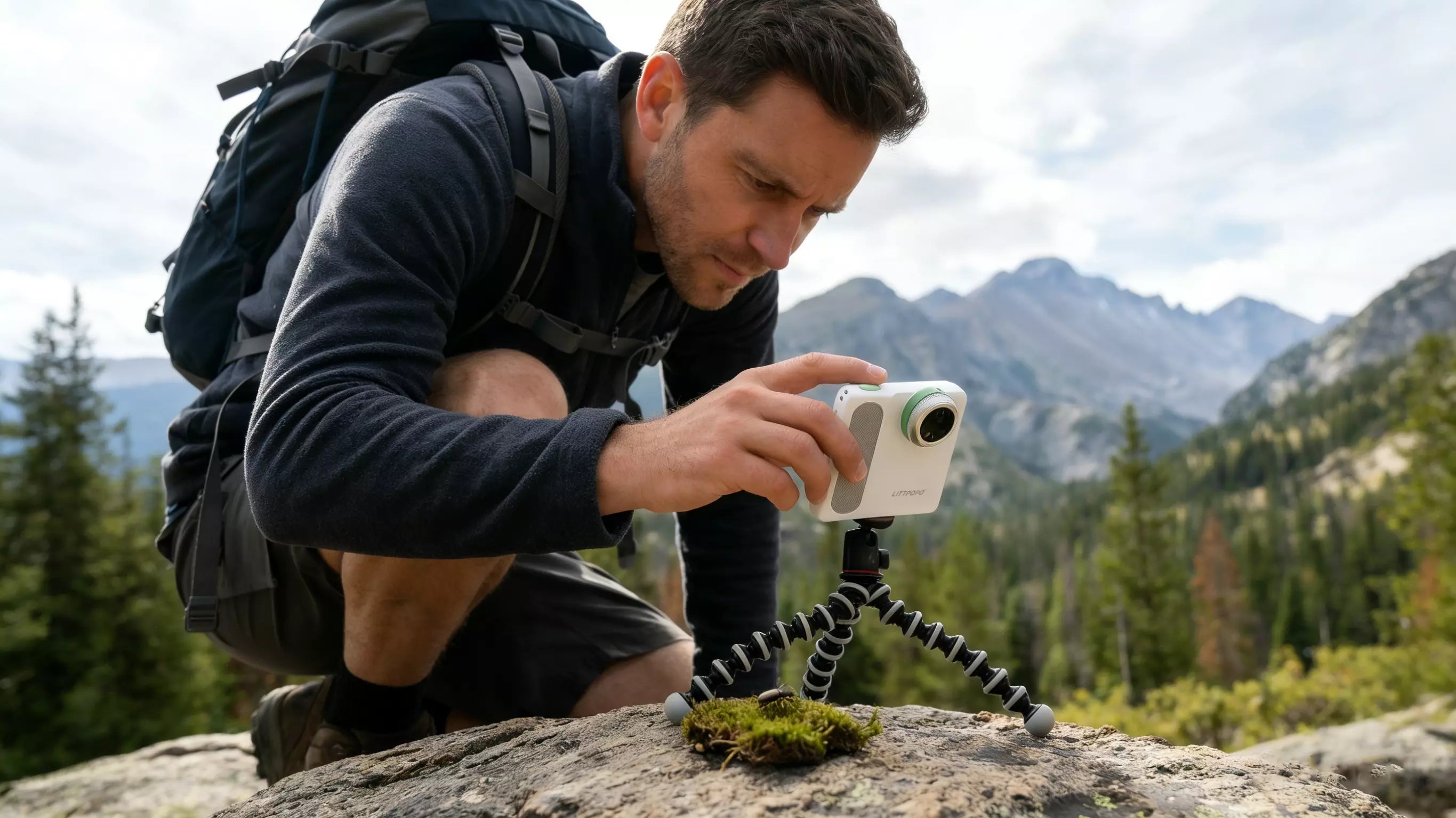
To capture 4K macro details in natural light, you must stabilize your microscope camera against a solid surface, utilize diffused sunlight to avoid harsh shadows, and focus manually by moving the d...
The best places for macro nature photography in the US include high-biodiversity regions like the Great Smoky Mountains National Park, the lush Olympic National Park, and specialized botanical cent...
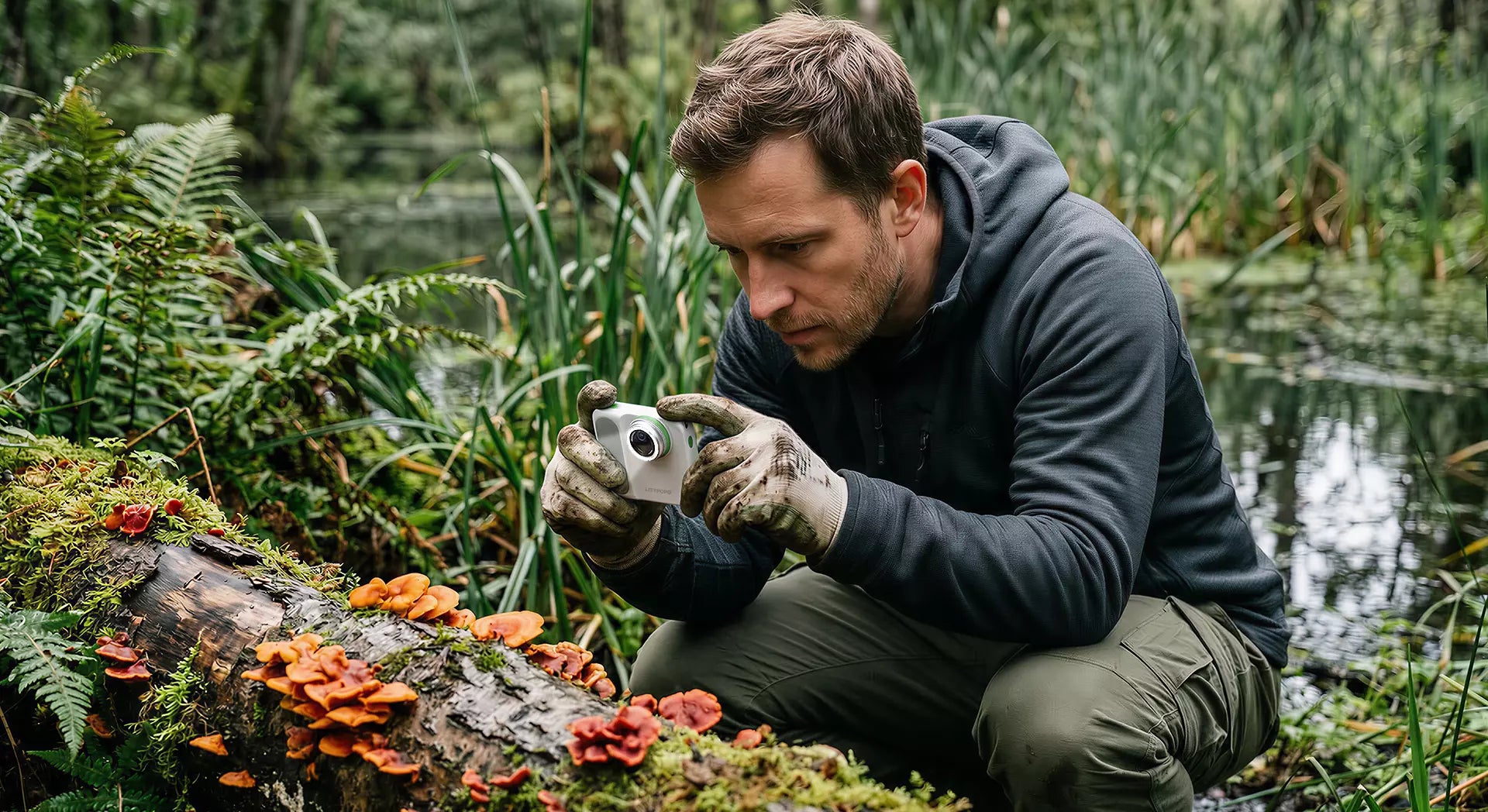
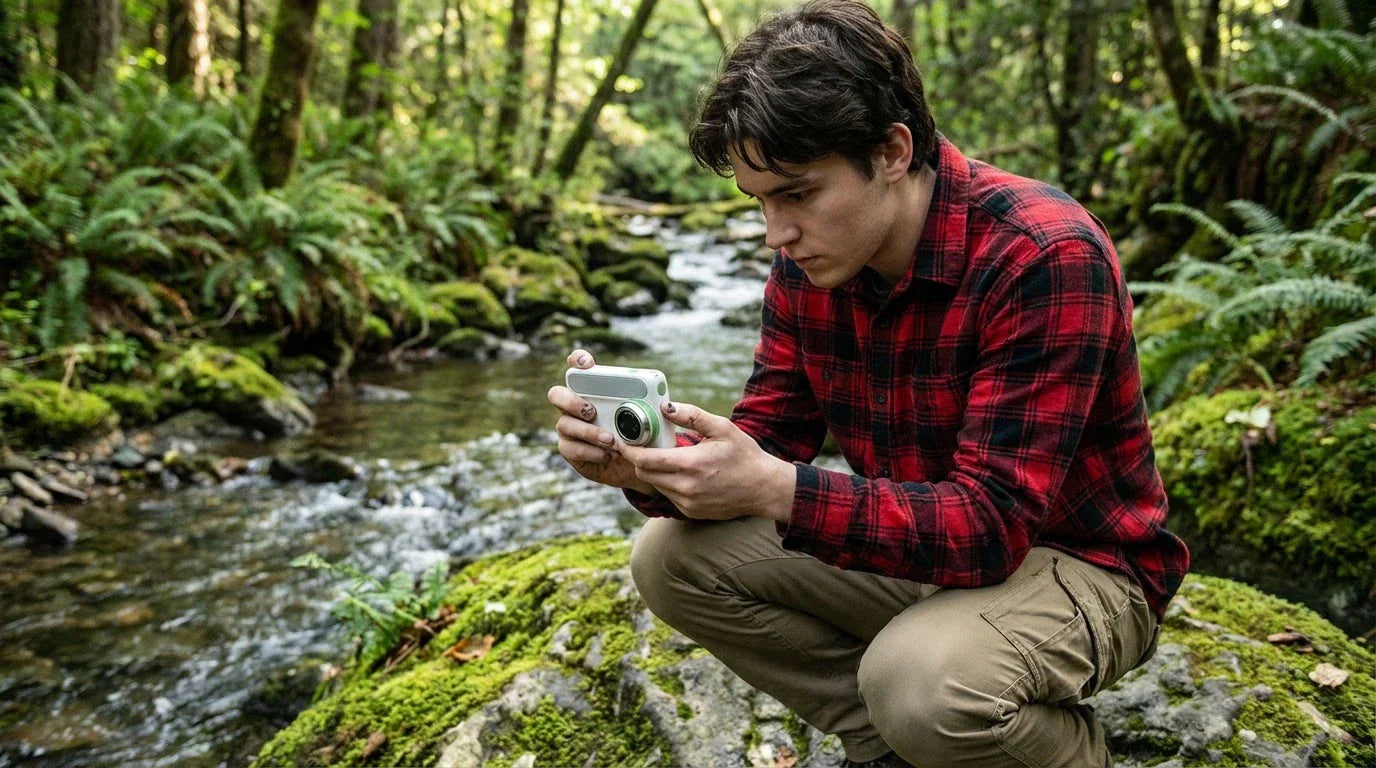
Exploring coastal and wetland environments through a microscope camera allows outdoor enthusiasts to uncover hidden biological structures invisible to the naked eye. By using portable digital magni...
Most beginner mistakes in macro outdoor photography stem from underestimating movement, depth of field, and light control. New photographers often rely too heavily on autofocus, ignore stabilizatio...
A microscope camera is worth buying if you need to document details beyond the 1:1 magnification limit of standard macro lenses. While macro lenses capture insects or flowers, a microscope camera r...
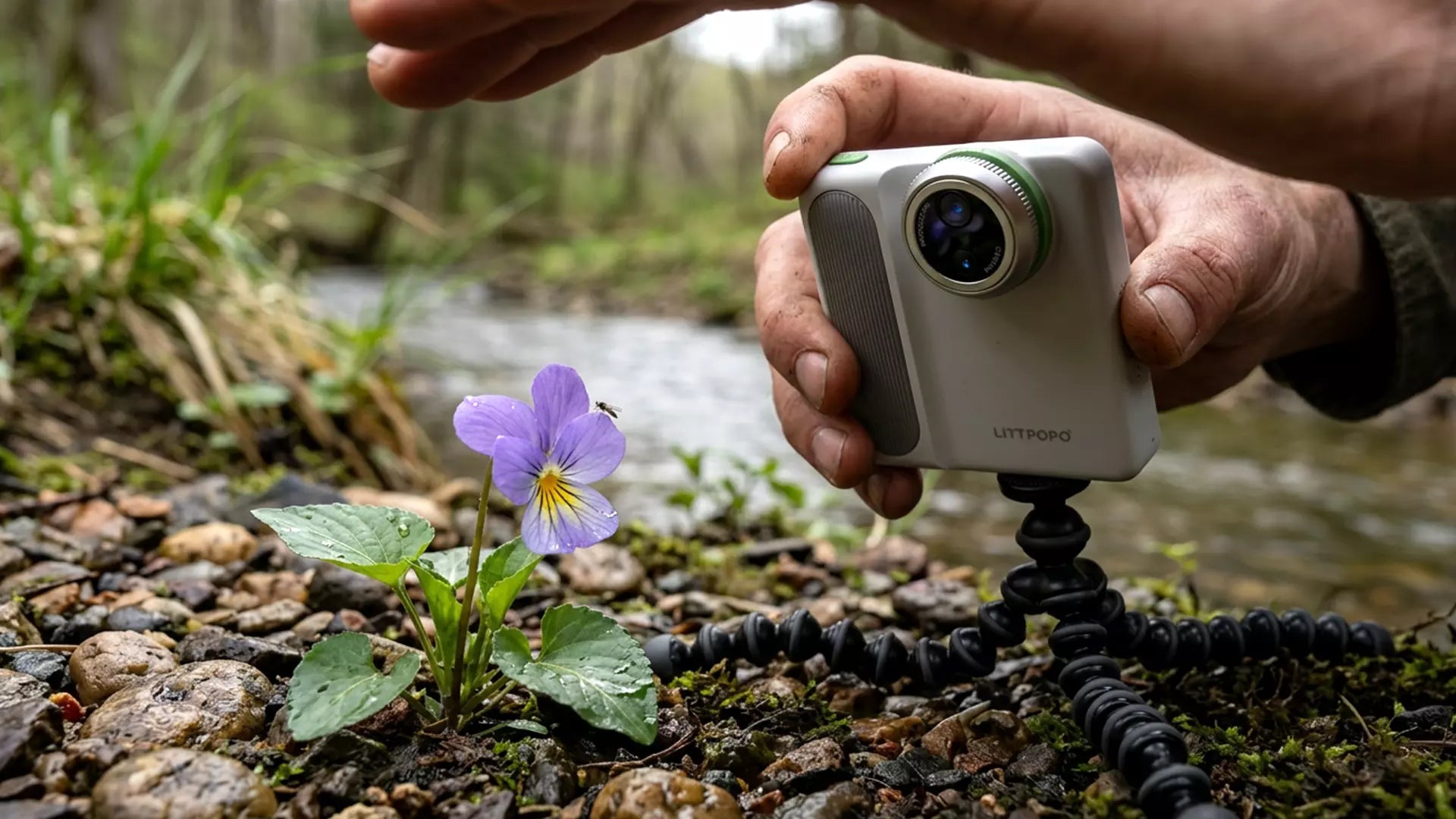
Yes, a microscope camera can be used effectively on hiking trips, especially for observing plants, moss, insects, soil, and rock textures along the trail. Its portability and close-focus capability...
Yes, a microscope camera is particularly effective for capturing water droplets, moss structures, and soil textures outdoors. These subjects are relatively stable, highly detailed, and reveal layer...