Why does macro photography in Europe matter for outdoor enthusiasts?

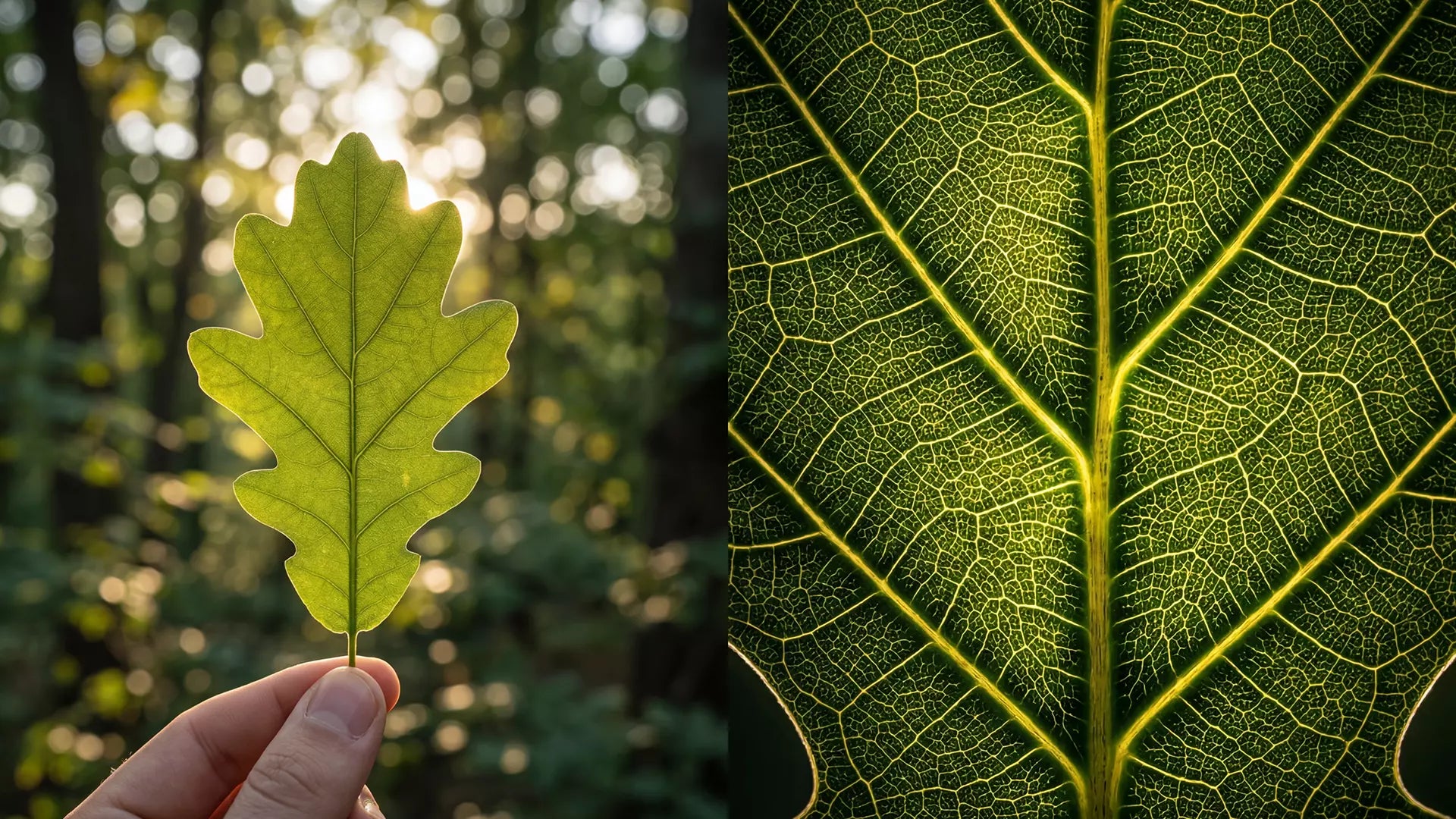
Macro photography allows outdoor explorers to see the landscape from a different perspective. While many hikers focus on the vastness of a mountain range or the depth of a forest, macro photography focuses on the "hidden" world. This practice is essential for documenting biodiversity and understanding the health of an ecosystem.
In real outdoor situations, macro photography changes how you interact with the environment:
-
Environmental Awareness: You begin to notice the specific timing of wildflower blooms or the emergence of rare insects.
-
Weather Adaptability: Unlike landscape photography, which often requires "golden hour" light, macro can be done in overcast conditions or deep shade, making it a viable activity during midday or cloudy weather.
-
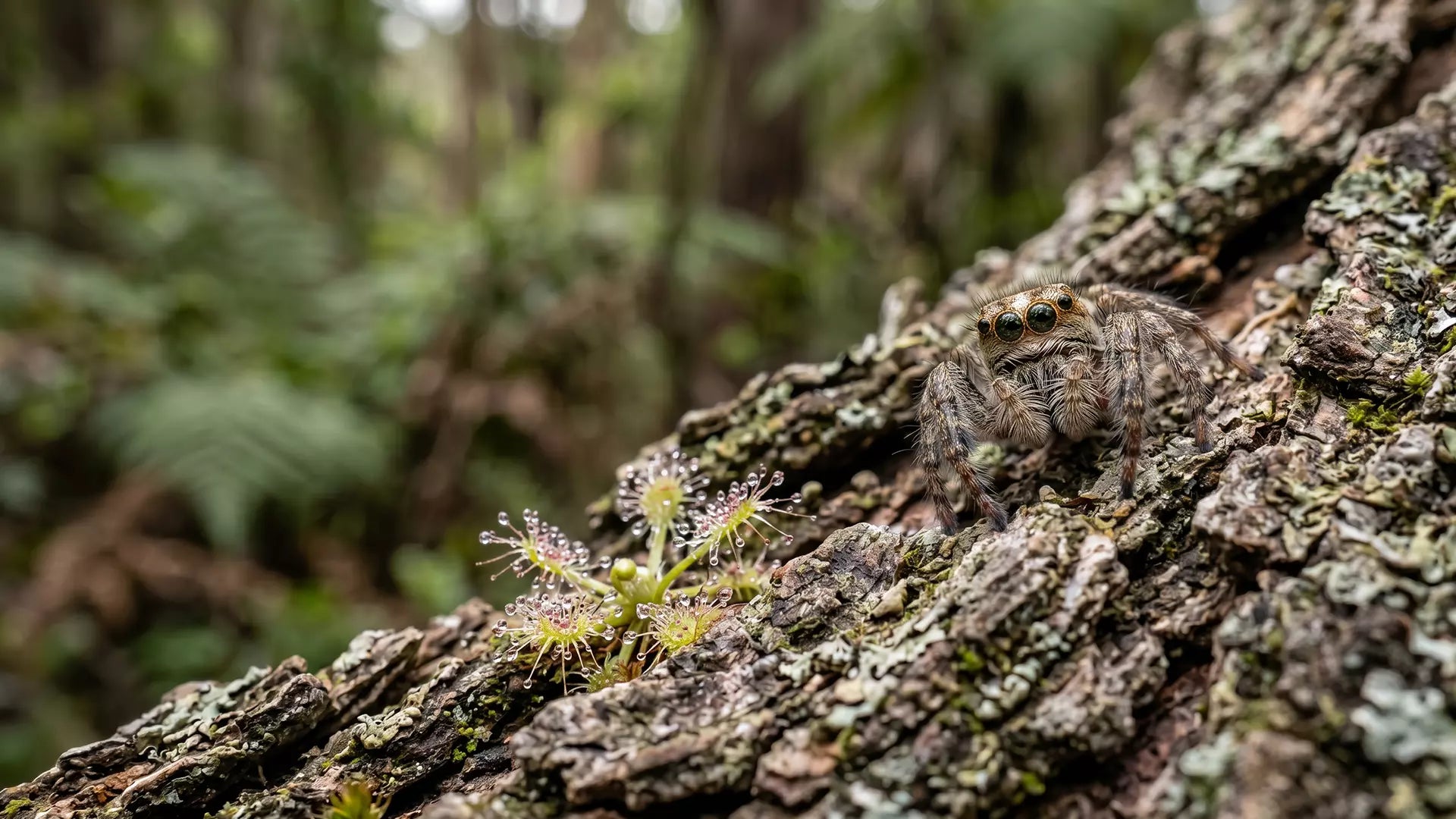
Conservation: High-quality macro images of rare mosses, lichens, or beetles help nature reserves document species that might otherwise be overlooked by the general public.
By focusing on the small details, photographers develop a deeper patience and a more intimate connection with the trails they walk.
How does outdoor macro photography work step-by-step?

Succeeding with macro photography Europe outdoors requires a systematic approach to deal with unpredictable natural elements like wind, changing light, and uneven terrain.
-
Identify the Micro-Habitat:
Look for transition zones, such as the edge of a forest or the bank of a stream. These areas usually host the highest concentration of insects and diverse plant life.
-
Manage Natural Light:
Direct sunlight often creates harsh shadows on small subjects. Use a small portable diffuser or even your own body to shade the subject, creating soft, even light that reveals fine textures.
-
Stabilize for Precision:
Even a slight breeze can move a flower out of focus. Use a tripod with a flexible center column or a beanbag on the ground. If shooting handheld, increase your shutter speed to at least $1/250$ of a second to compensate for micro-movements.
-
Adjust Depth of Field:
In macro work, the area in focus is very thin. Close your aperture (higher F-stop) to around $f/8$ or $f/11$ to ensure the entire insect or the center of a flower remains sharp.
-
Practice Ethical Engagement:
Never move an insect or pick a rare plant for a photo. Observe the subject in its natural state to ensure the environment remains undisturbed.
Where can you find the best macro photography locations in Europe?

Europe offers a variety of environments, from manicured botanical gardens to rugged nature reserves. Each provides unique opportunities for macro subjects.
National Parks and Forests
-
Bayerischer Wald (Germany): This "primeval" forest is famous for its mosses, ferns, and various species of fungi. The damp, shaded forest floor is a premier location for capturing textures.
-
Plitvice Lakes (Croatia): While famous for waterfalls, the surrounding humid forests are home to rare butterflies and unique limestone-loving plants.
Nature Reserves and Wetlands
-
The Camargue (France): This wetland region is ideal for dragonflies and aquatic insects. The high humidity and reed beds provide excellent backdrops for macro shots.
-
Coto Doñana (Spain): A vital stopover for migrating birds, it also hosts an incredible array of beetles and heat-loving wildflowers in its scrublands.
Alpine Hiking Trails
-
The Dolomites (Italy): High-altitude meadows in early summer are filled with alpine flowers like Edelweiss and Gentian. The low-growing vegetation is perfect for ground-level macro work.
-
Swiss Alps (Switzerland): The rocky outcrops along hiking trails are excellent for photographing crustose lichens and small succulent plants.
Botanical Gardens and Parks
-
Kew Gardens (UK): For beginners, gardens provide a controlled environment to practice. You can find exotic insects in the glasshouses and native pollinators in the wilder sections.
What mistakes do beginners commonly make in macro photography?
When starting macro photography Europe outdoors, it is easy to focus on gear rather than technique. Common errors include:
-
Ignoring the Background: A "busy" background with bright spots or distracting twigs can take the focus away from the subject. Look for clean, contrasting colors behind your subject.
-
Focusing on the Wrong Spot: For insects, the eyes must be the sharpest part of the image. For plants, it is usually the stamen or the leading edge of a petal.
-
Chasing the Subject: Beginners often move too quickly, scaring away insects. It is more effective to find a flower where insects are landing and wait for them to come to you.
-
Using Too Little Light: Because macro lenses often require small apertures to get enough depth of field, images can turn out dark. Many beginners forget to compensate with ISO or a flash.
-
Neglecting Wind Factors: A breeze that feels light to you is a hurricane for a flower stem. Beginners often struggle with "motion blur" because they don't use a fast enough shutter speed or a wind shield.
Who is this hobby most useful for?

Macro photography is a versatile pursuit that benefits several different types of outdoor enthusiasts:
-
Hobbyist Photographers: It provides a way to take compelling photos even when the "big" landscape isn't cooperating due to haze or flat light.
-
Hikers and Trekkers: It adds an extra layer of engagement to a long walk, encouraging frequent breaks to observe the trailside details.
-
Beginner Naturalists: Using a camera to document small species is one of the fastest ways to learn about botany and entomology.
-
Local Explorers: You don't need to travel to a distant mountain range; a local park or backyard can offer enough subjects for years of macro work.
By focusing on the small scale, anyone with a camera can contribute to a greater appreciation of the European wilderness.