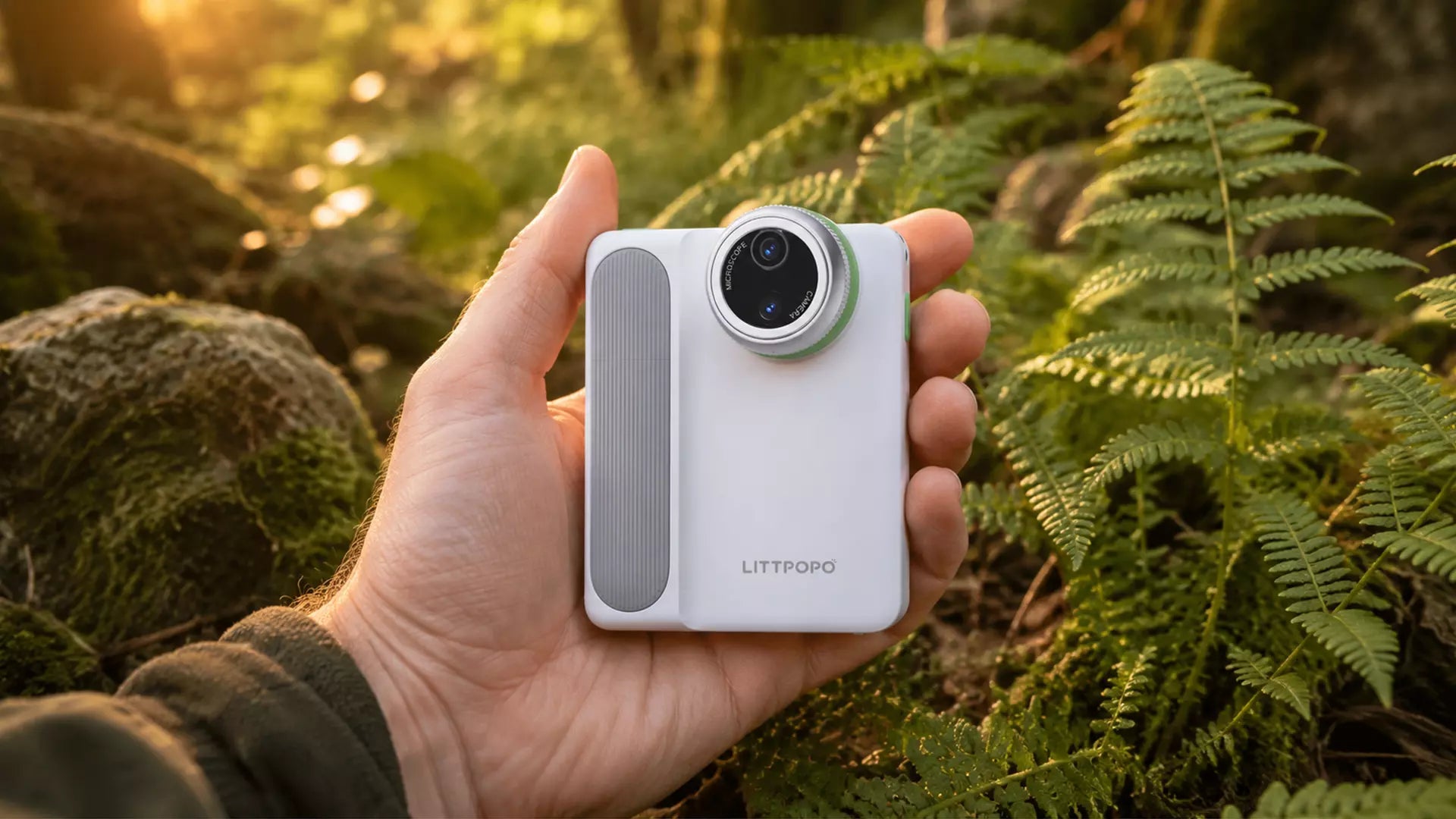
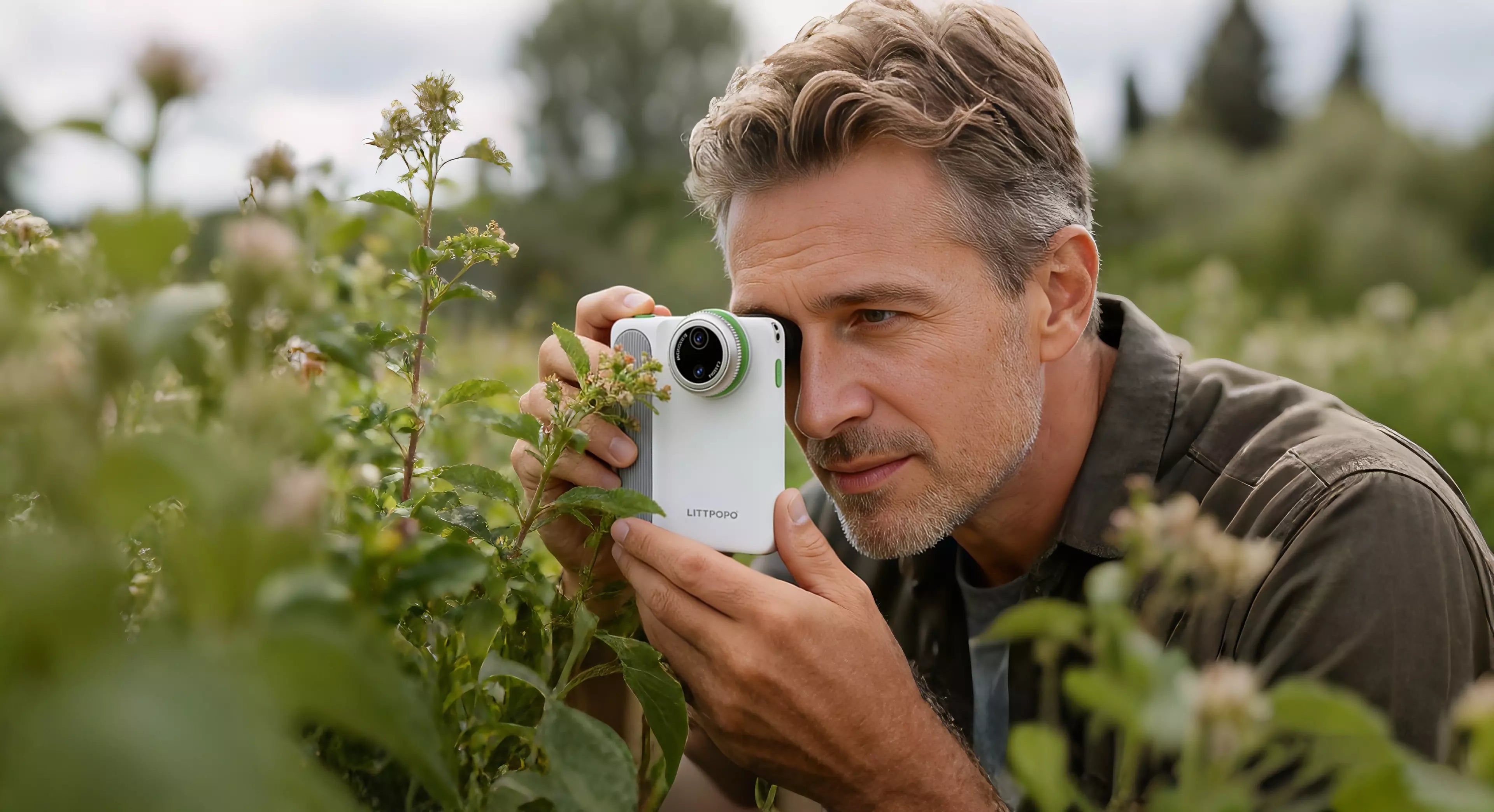
A microscope camera is worth buying if you need to document details beyond the 1:1 magnification limit of standard macro lenses. While macro lenses capture insects or flowers, a microscope camera r...
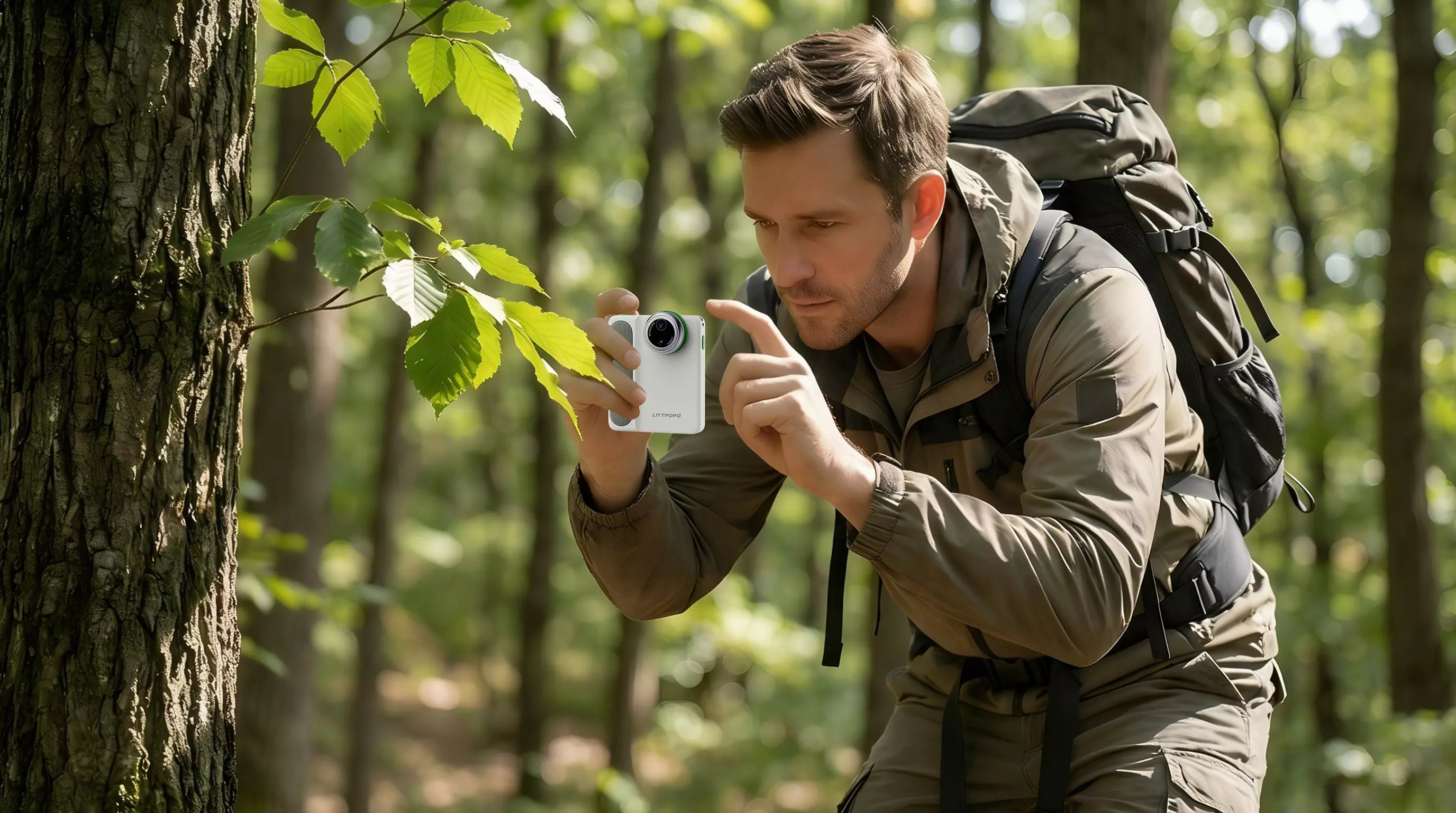
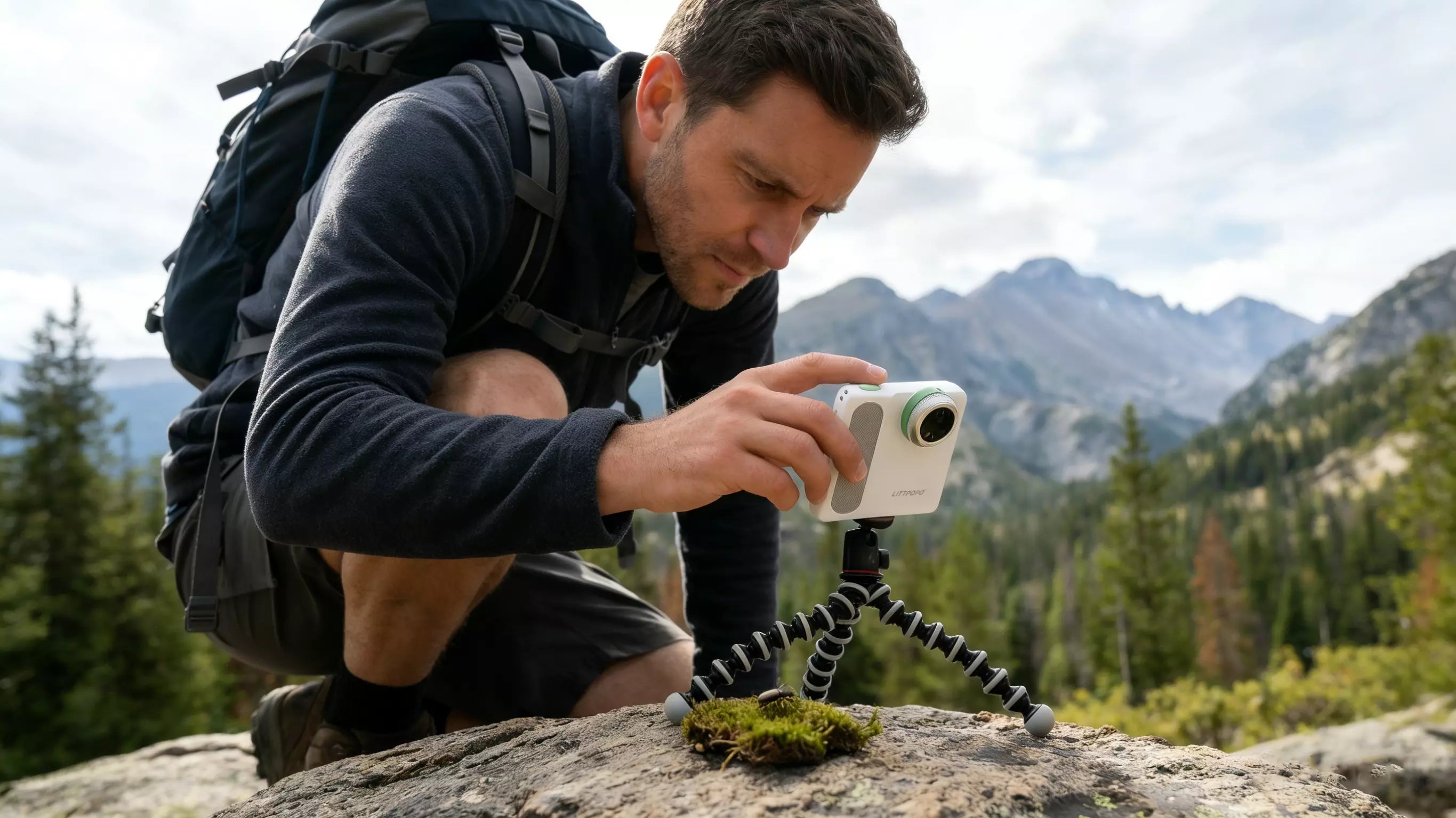
Yes, a microscope camera can be used effectively on hiking trips, especially for observing plants, moss, insects, soil, and rock textures along the trail. Its portability and close-focus capability...
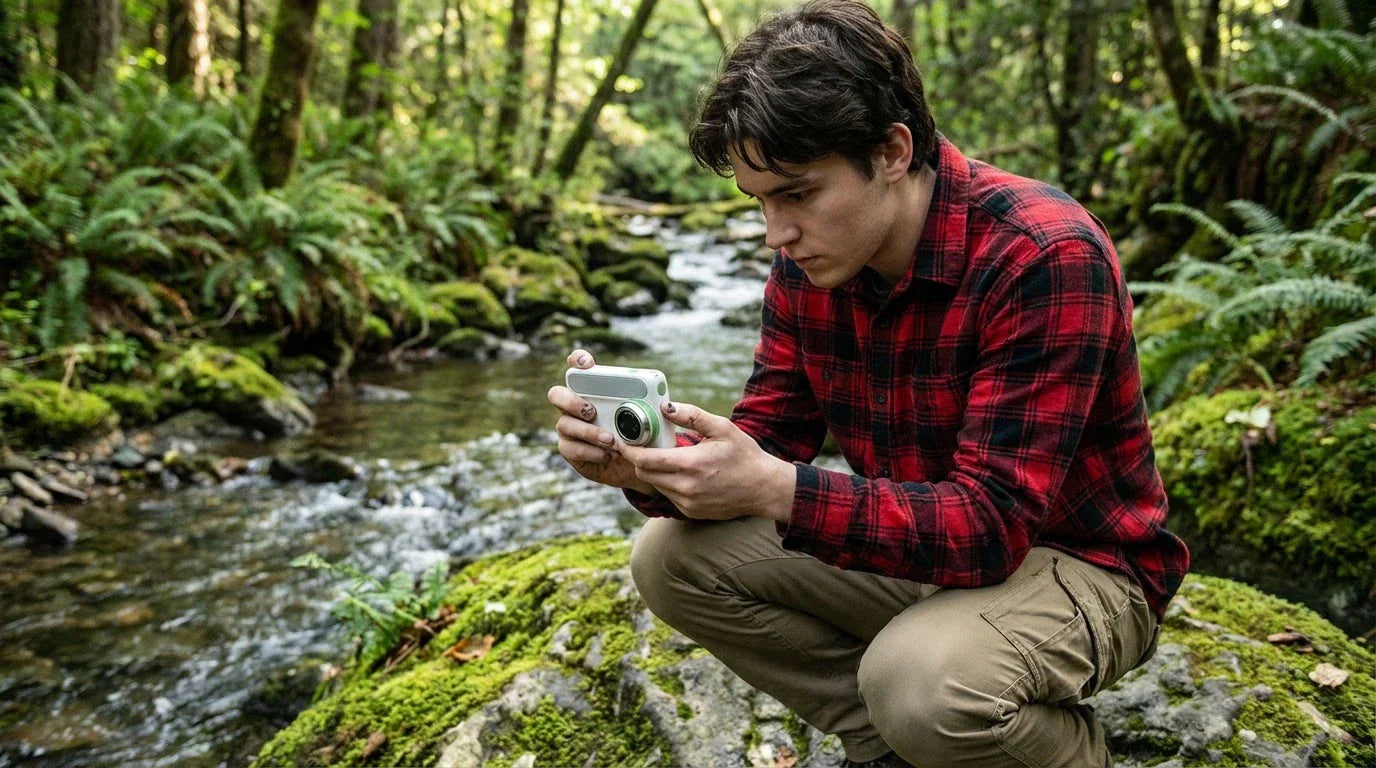
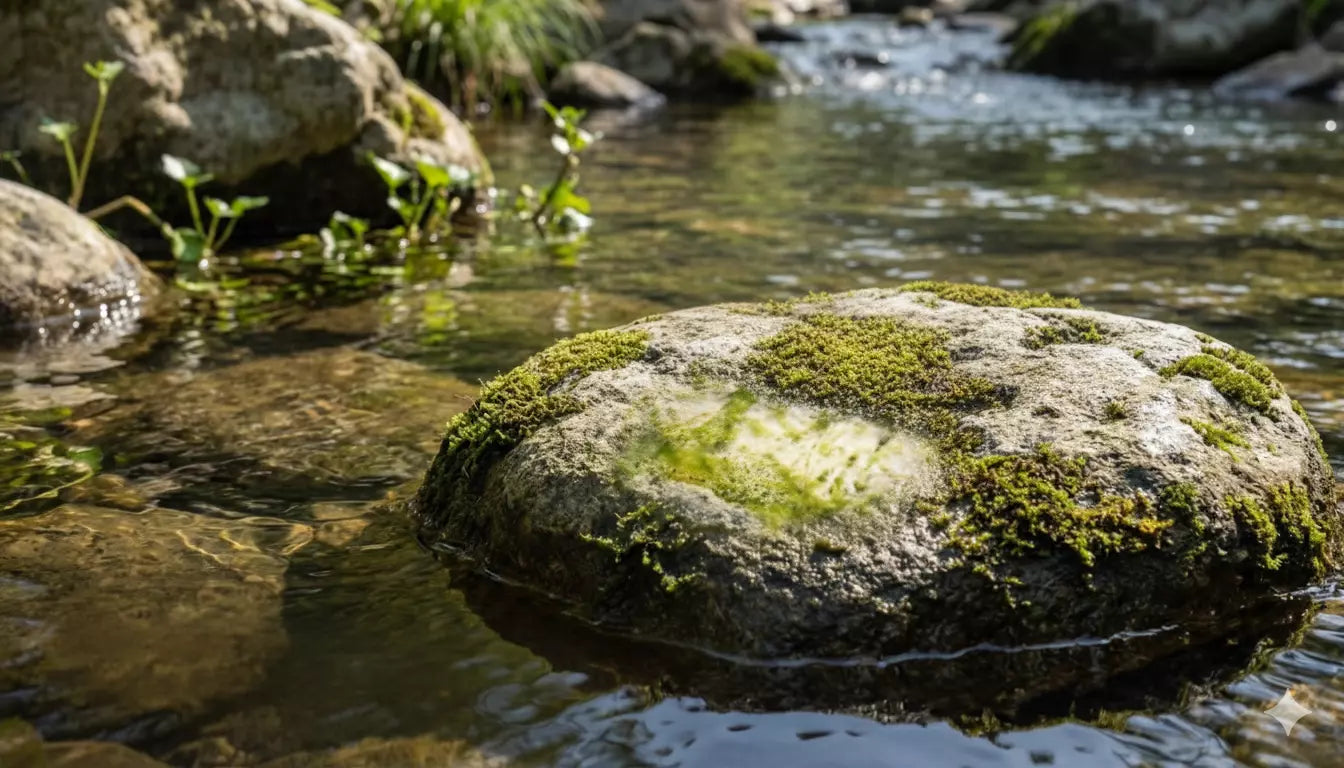
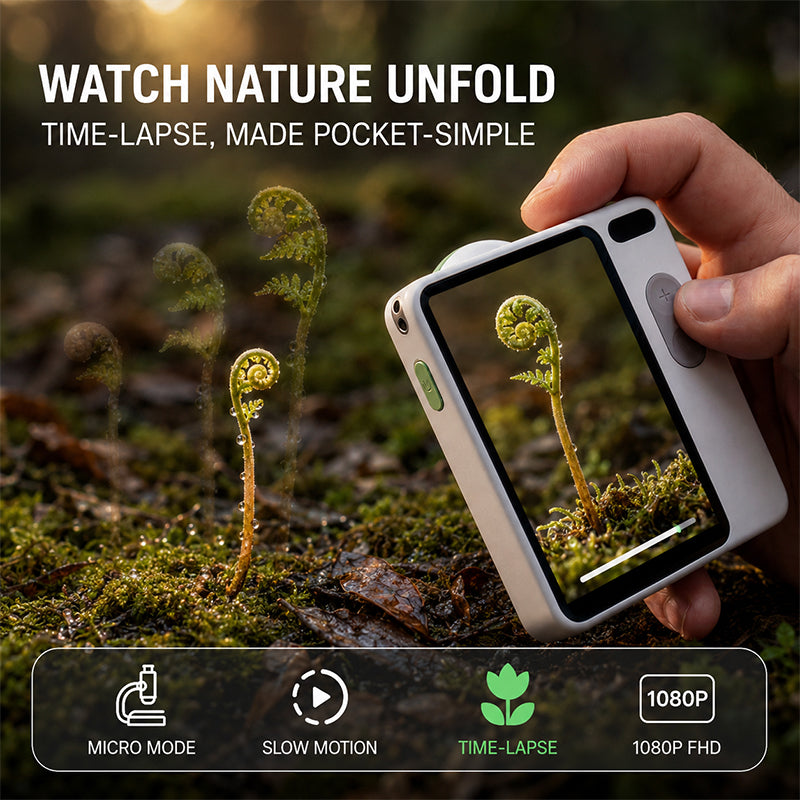
Yes, a microscope camera is particularly effective for capturing water droplets, moss structures, and soil textures outdoors. These subjects are relatively stable, highly detailed, and reveal layer...
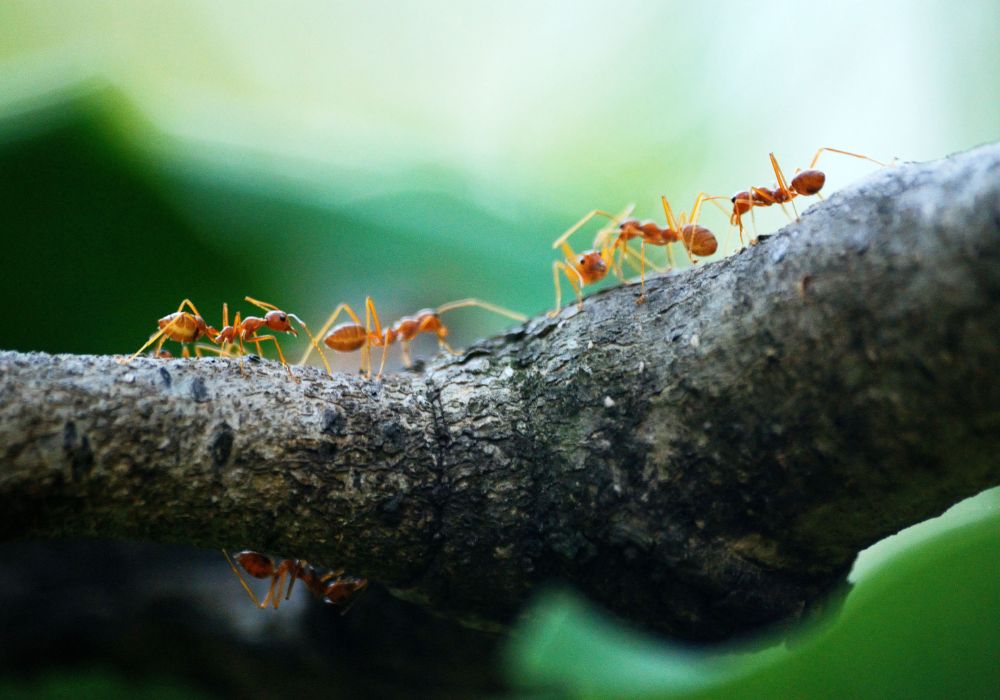
Yes, you can photograph insects outdoors with a microscope camera, provided you use a portable digital microscope or a specialized macro lens attachment. Traditional laboratory microscopes are too ...
A microscope camera and a macro lens serve different purposes in outdoor photography. Macro lenses are designed for close-up composition from a short distance, while microscope cameras focus on sur...
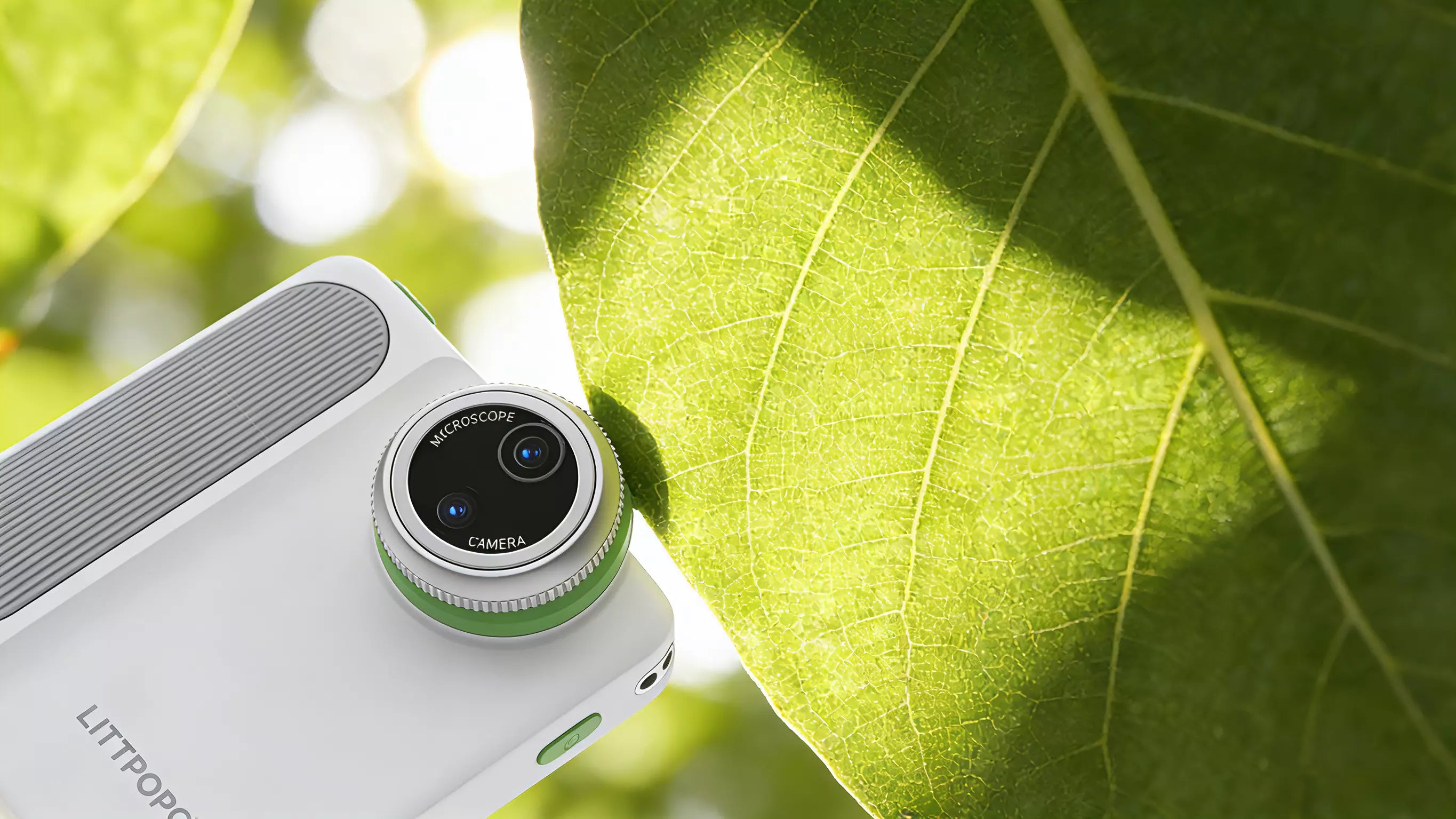
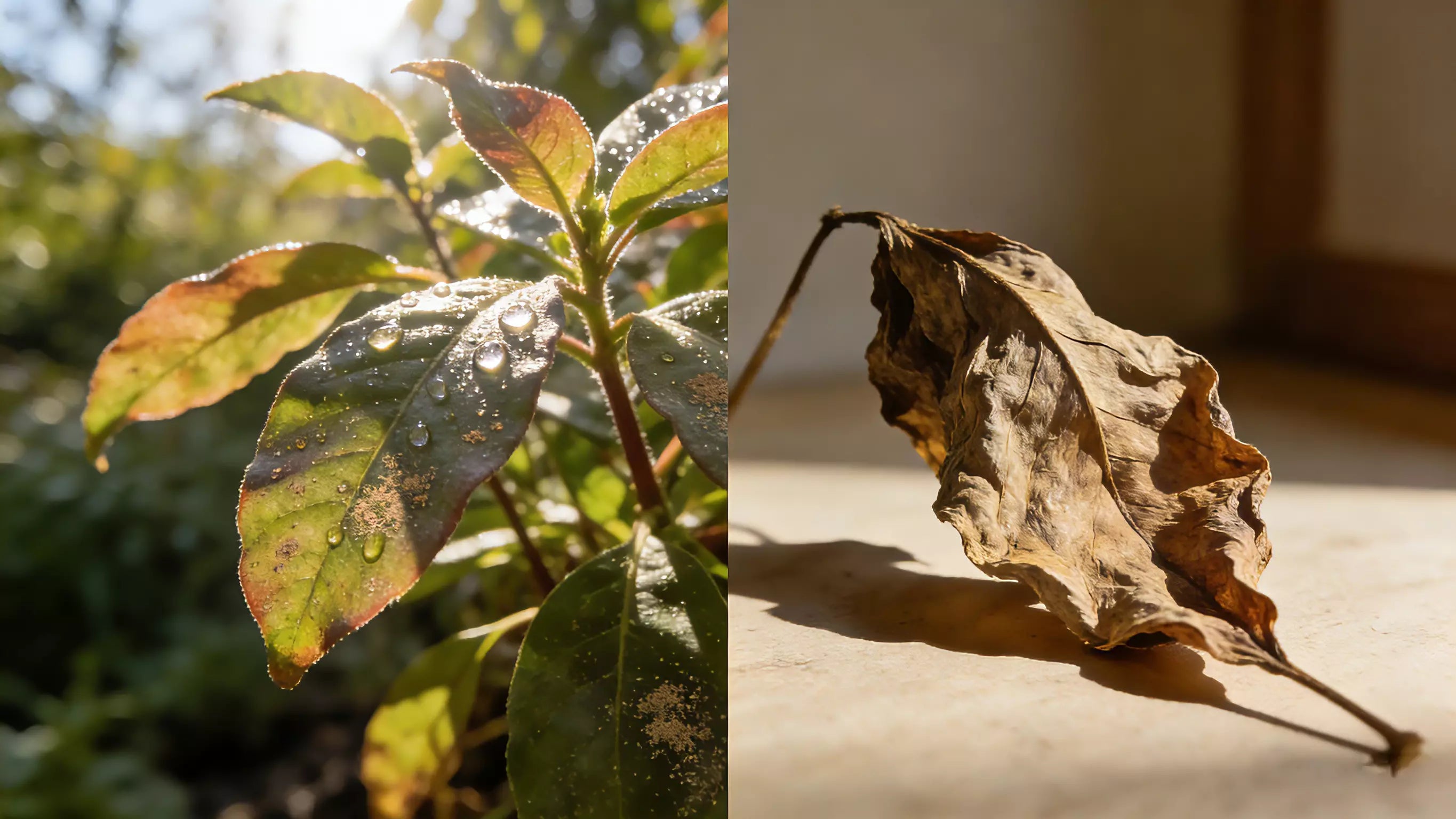
Yes. Leaf veins and plant surface textures can be photographed outdoors using a microscope camera. By positioning the camera close to the leaf surface and using natural, angled light, fine botanica...
A microscope camera allows outdoor observation of insects and plant surfaces by combining close-focus optics with digital magnification. When used in the field, a portable microscope camera designe...
A microscope camera for outdoor exploration is a portable device that allows photographers and nature enthusiasts to capture highly detailed images and videos of small natural subjects, such as ins...
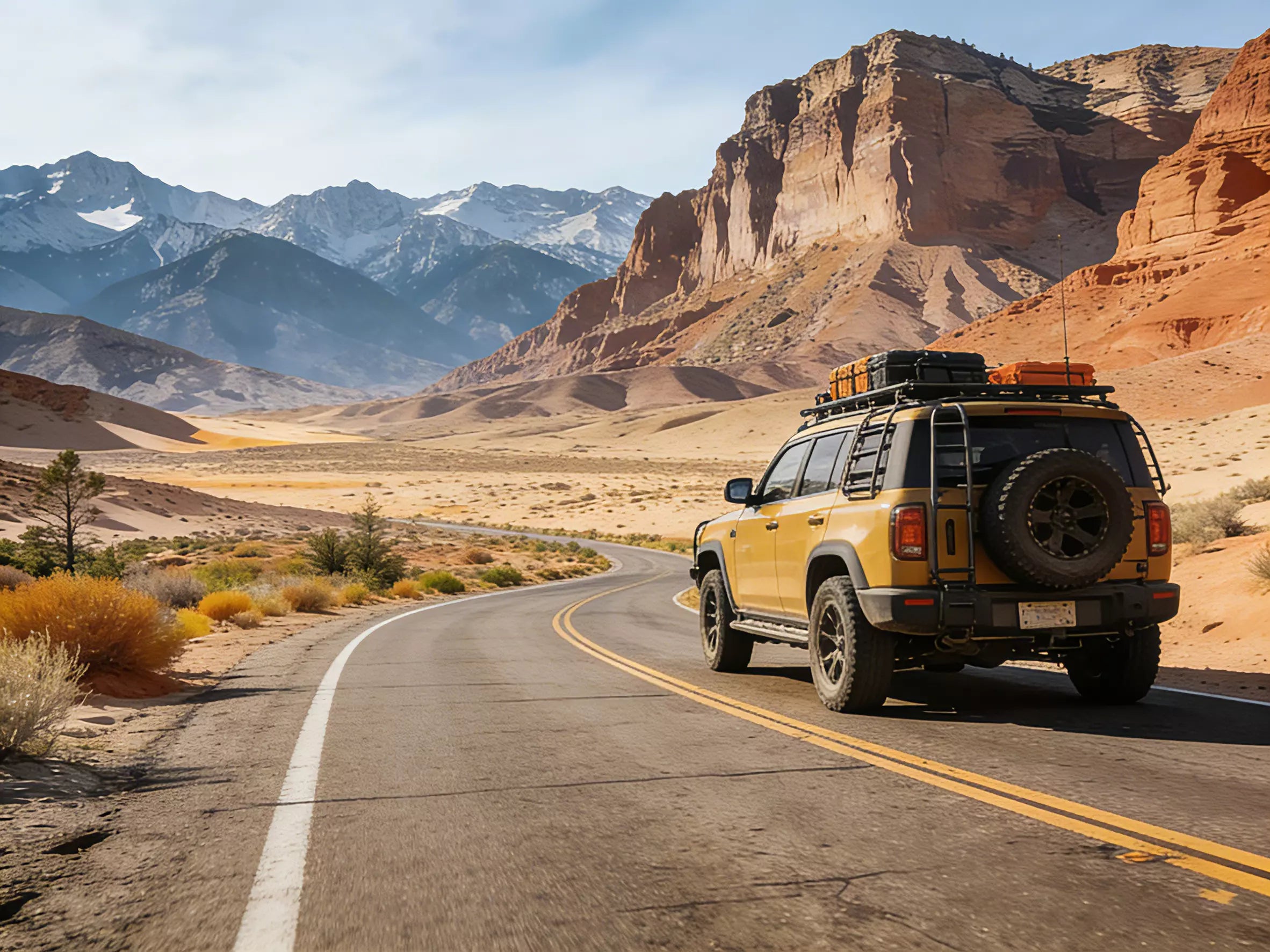
A California road trip offers endless opportunities for nature photography — from redwood forests to desert landscapes. This guide explores how an outdoor macro camera like the MicroCAM X1 helps ca...
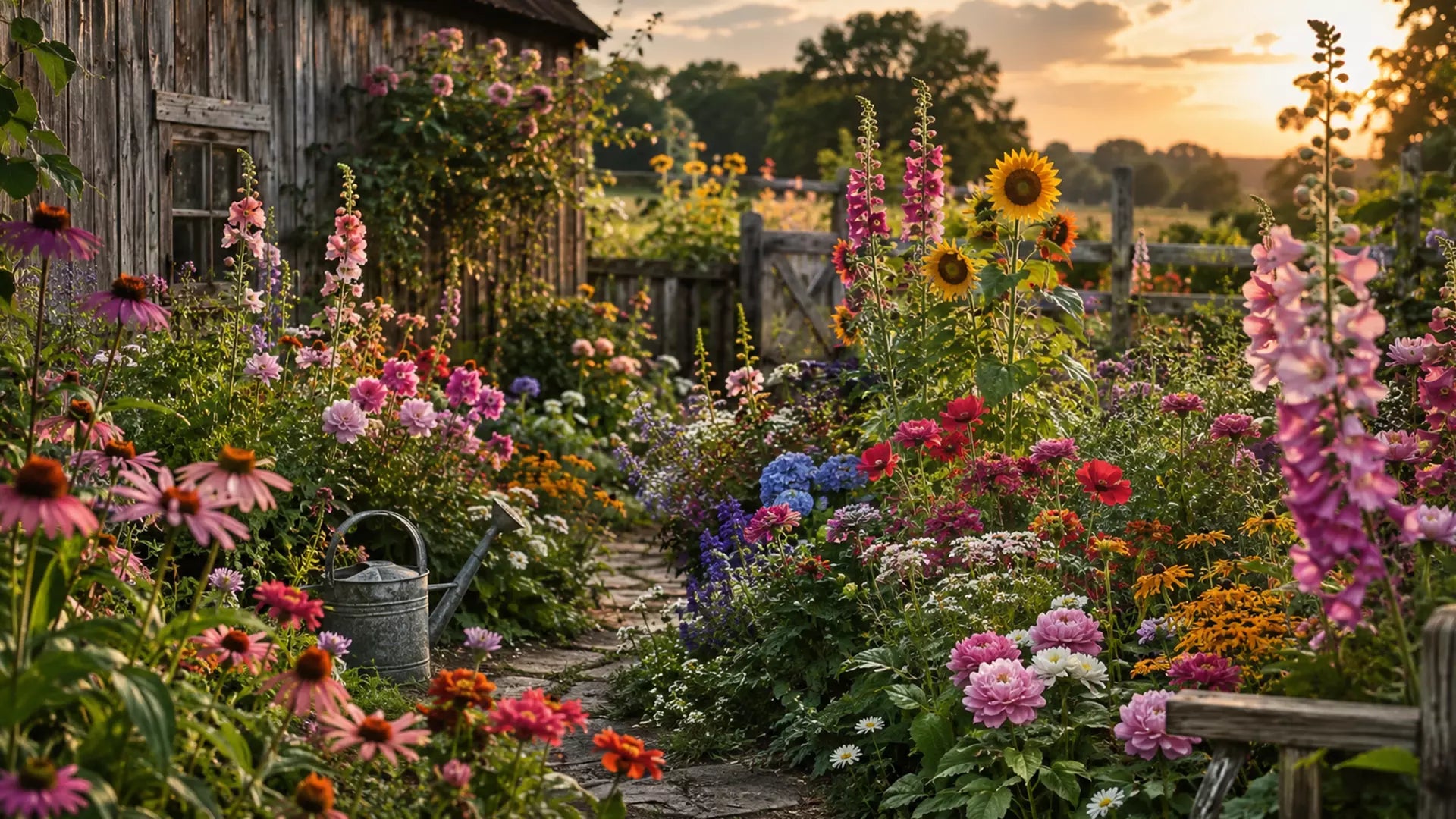
A classic American country garden offers deep comfort. Unlike formal European estates with manicured hedges and rigid lines, it thrives on beautiful chaos—where blooms spill over weathered fences, ...