
Why Does a Microscope Camera Matter in Real-World Outdoor Photography?
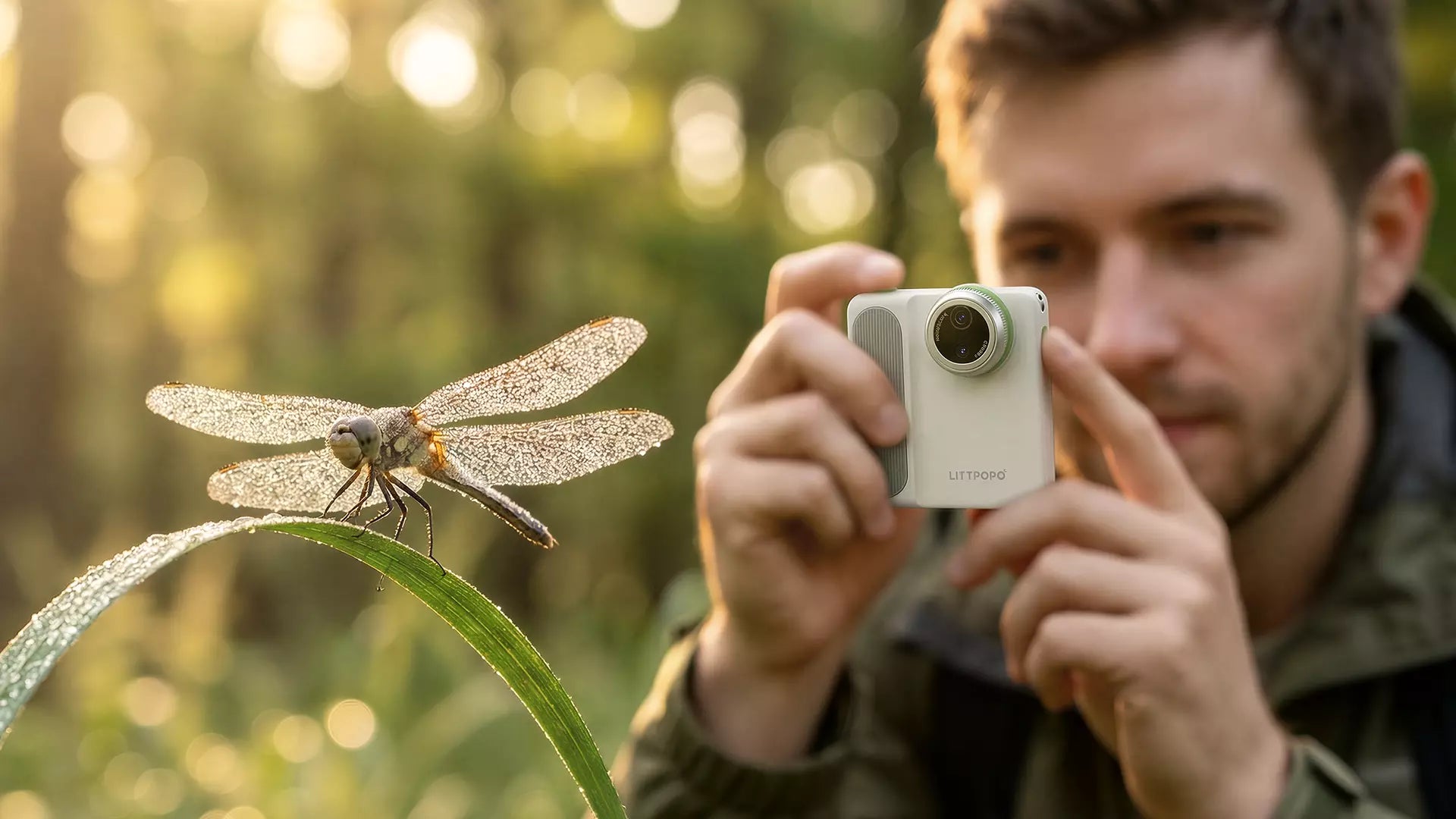
Nature photography traditionally stops where the human eye hits its limit. A standard macro lens is excellent for a "close-up" of a honeybee, but a microscope camera allows you to see the individual hooks on that bee's wings or the crystalline structure of the pollen it carries.
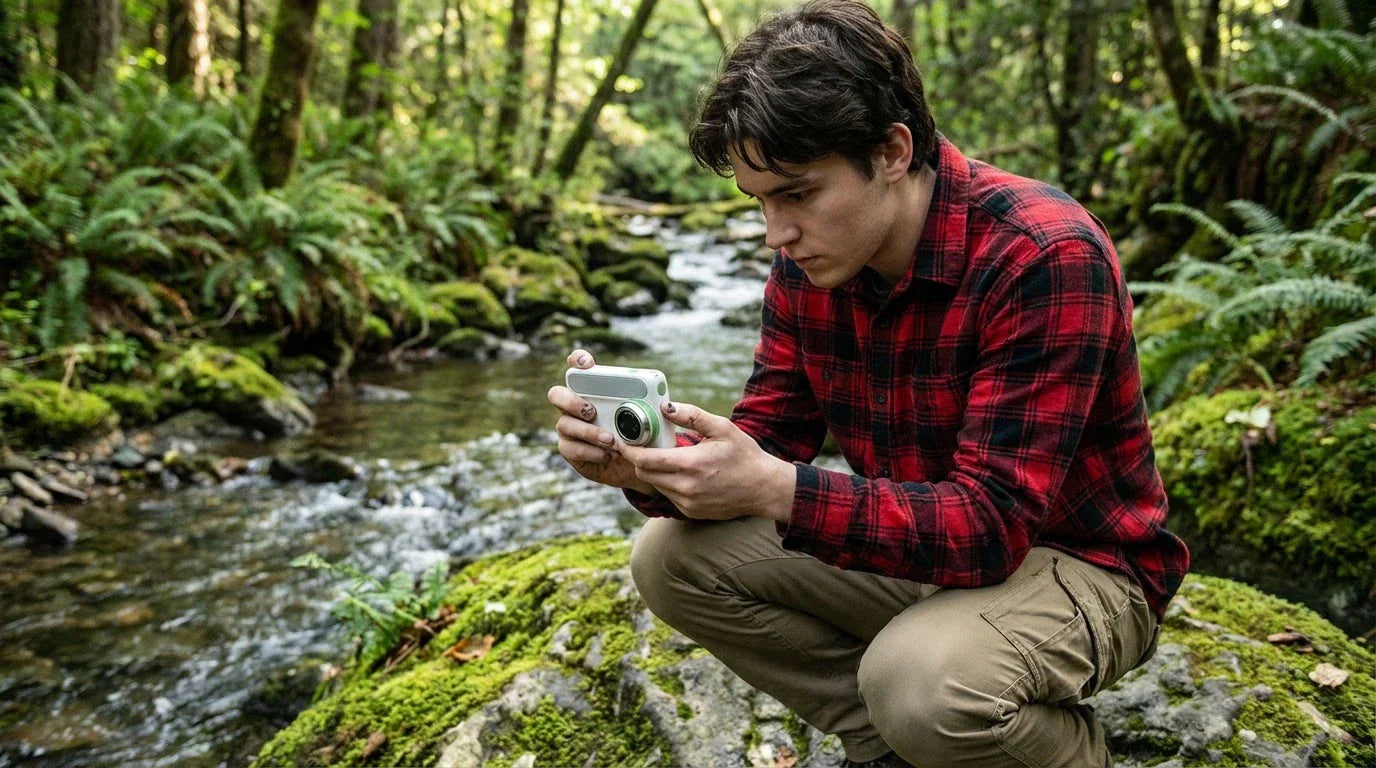
In the field, this technology allows for a transition from artistic photography to scientific observation. When you are exploring microscope camera moss water soil outdoors, you aren't just taking a picture of a damp patch of earth; you are capturing the tardigrades, nematodes, and complex bryophyte structures that constitute a hidden ecosystem.
For the outdoor enthusiast, this device acts as a digital loupe. It provides:
-
Extreme Magnification: Reaching $20\text{x}$ to $200\text{x}$ or more, which is physically impossible for standard camera lenses without massive bellows or specialized laboratory objectives.
-
Scientific Documentation: Identifying tree diseases by examining leaf stomata or fungal hyphae.
-
Unique Aesthetics: Creating abstract art from the microscopic geometry of frost, sand grains, or butterfly wing scales.
How Does a Microscope Camera Work in the Field?

Using a microscope camera outdoors requires a departure from "run-and-gun" photography. Because the depth of field (the area in focus) is measured in fractions of a millimeter, the process is highly methodical.
1. Subject Selection and Environmental Control
At high magnification, the slightest vibration—even from a distant footfall or a light breeze—looks like an earthquake on your screen. Successful field use involves finding subjects that are naturally shielded from the wind or using a small windbreak.
2. Achieving Stabilization
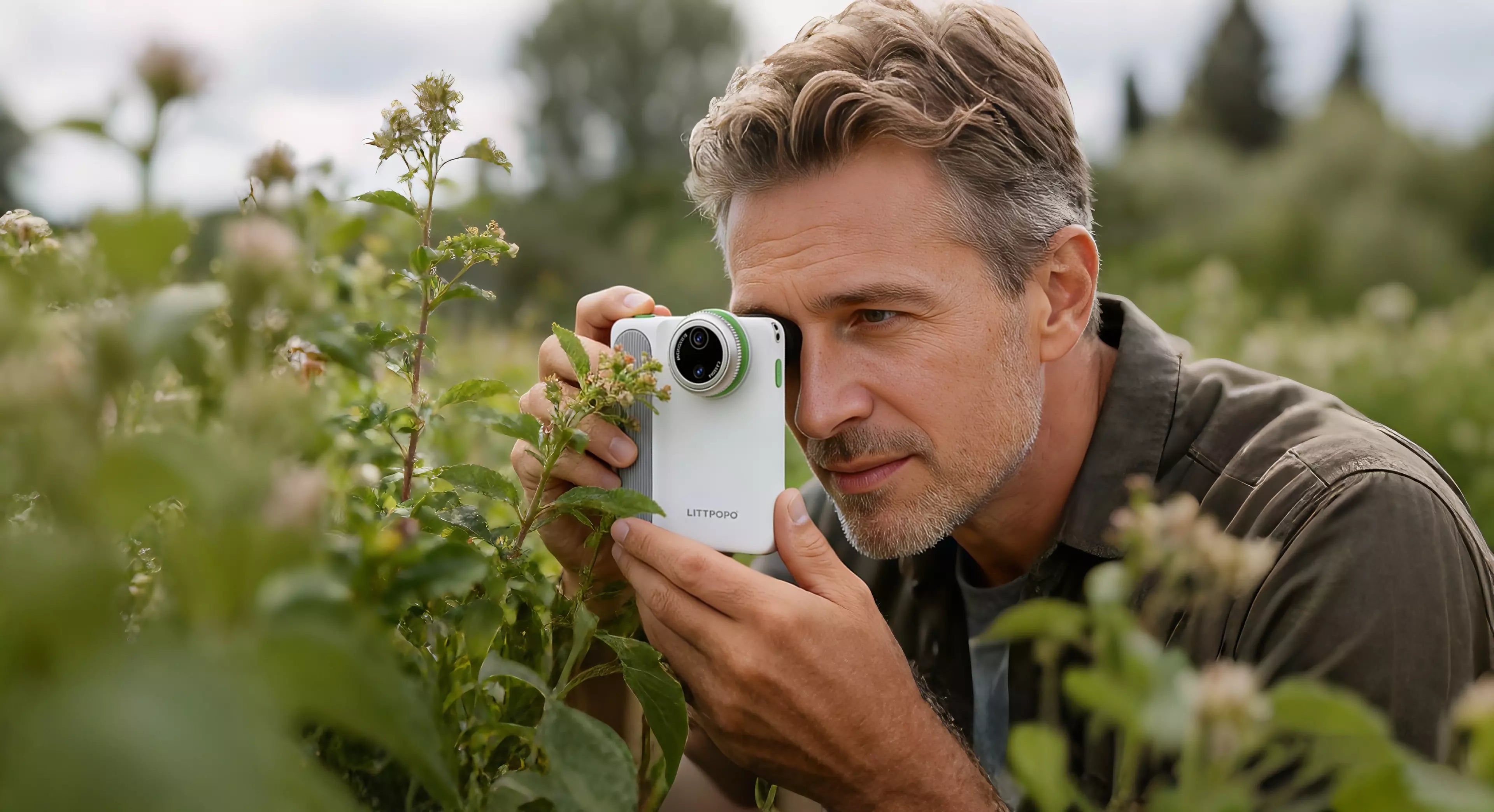
Handheld use is possible with some digital models at low power ($20\text{x}$), but for crisp results, the camera must be braced. Many photographers use a specialized "field stage" or a travel tripod with a micro-adjustment rail.
3. Lighting Management
As you increase magnification, the lens gets closer to the subject, often blocking ambient light. Most microscope cameras feature built-in LED ring lights. However, naturalists often find that these can create "hot spots" on wet surfaces like moss or slime molds. Using a small piece of white translucent plastic as a diffuser can soften this light for a more natural look.
4. Digital Integration
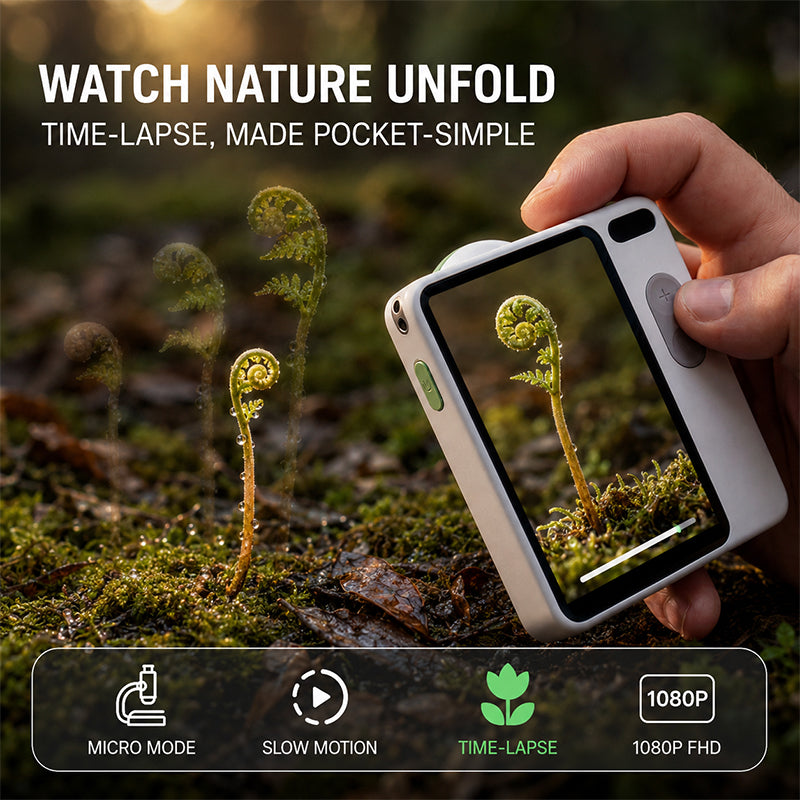
Most modern units connect via Wi-Fi or USB to a smartphone or tablet. This is essential for field work because it allows you to see the fine focus on a larger screen, ensuring the detail you want is actually sharp before you hit the shutter.
Common Mistakes Beginners Make

Transitioning from standard photography to microscopy often leads to a few predictable frustrations:
-
Underestimating Movement: Beginners often try to hold the camera by hand while at 100{x} magnification. The result is always a blur. If you are planning microscope camera hiking trips, bringing a lightweight but rigid stand is non-negotiable for success.
-
Expecting "Deep" Focus: In a landscape photo, everything from the foreground to the mountains is sharp. In microscopy, only a paper-thin slice is sharp. Beginners often think their camera is broken because most of the image looks blurry.
-
Over-magnifying: There is a temptation to "zoom in" as far as possible. However, the higher the magnification, the less light reaches the sensor and the harder it is to find the subject. Often, $40\text{x}$ or $50\text{x}$ yields a much better image than $200\text{x}$.
-
Dirty Optics: In the wild, dust and moisture are everywhere. A tiny speck of dust on the sensor or lens will appear as a massive dark blob in your photos.
Who Is This Tool Best Suited For?
Deciding if the investment is "worth it" depends entirely on your specific curiosity.
| User Type | Verdict | Primary Use Case |
| Casual Hiker | Not Recommended | Better off using a "Macro Mode" on a smartphone or a clip-on lens. |
| Macro Photographer | Worth It | For those who want to go beyond 1:1 and explore abstract textures. |
| Citizen Scientist | Essential | For documenting species, soil health, and water quality in the field. |
| Artistic Minimalist | Worth It | For capturing the geometric patterns in minerals, sand, and flora. |
Final Verdict: Is It Worth It?
If your goal is to take beautiful, wide-angle photos of a forest, a microscope camera will stay in your bag. However, if you find yourself squinting at the orange lichen on a rock or wondering what the "dust" on a moth's wing actually looks like, a microscope camera is the only tool that can satisfy that curiosity. It is an affordable gateway into a dimension of nature that most people walk past without ever seeing.