
Why does photographing plant details outdoors matter?

Why are leaf veins and textures hard to see with the naked eye?
Leaf veins and surface textures are difficult to see because they exist below normal human visual resolution. At a distance, most leaves appear as flat areas of color, causing vein networks, fiber structures, and surface irregularities to blend together visually.
Without magnification, important structural details—such as how nutrients flow through veins or how textures differ between species—are easily missed during outdoor observation.
Why is outdoor observation better than indoor plant photography?
Outdoor environments preserve plants in their natural state. Moisture levels, surface dust, pollen, insect marks, and light interaction all contribute to how plant textures appear in real ecosystems.
Indoor photography often removes this context. Cut or dried leaves lose surface tension and natural coloration, which alters texture visibility. Observing plants outdoors provides a more accurate representation of how leaves function and interact with their environment.
How can you photograph leaf veins outdoors step by step?

How close do you need to be to capture leaf vein details?
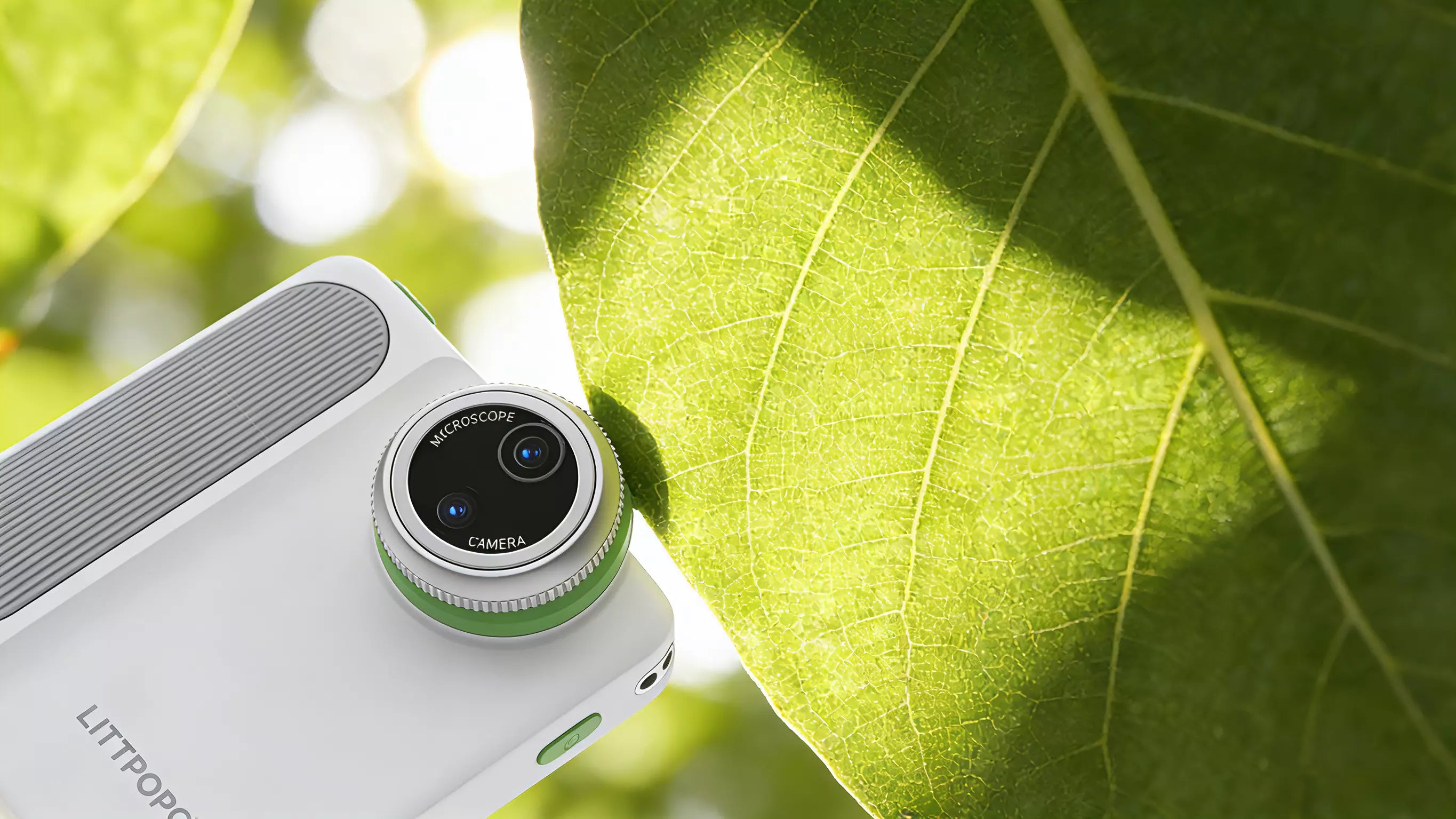
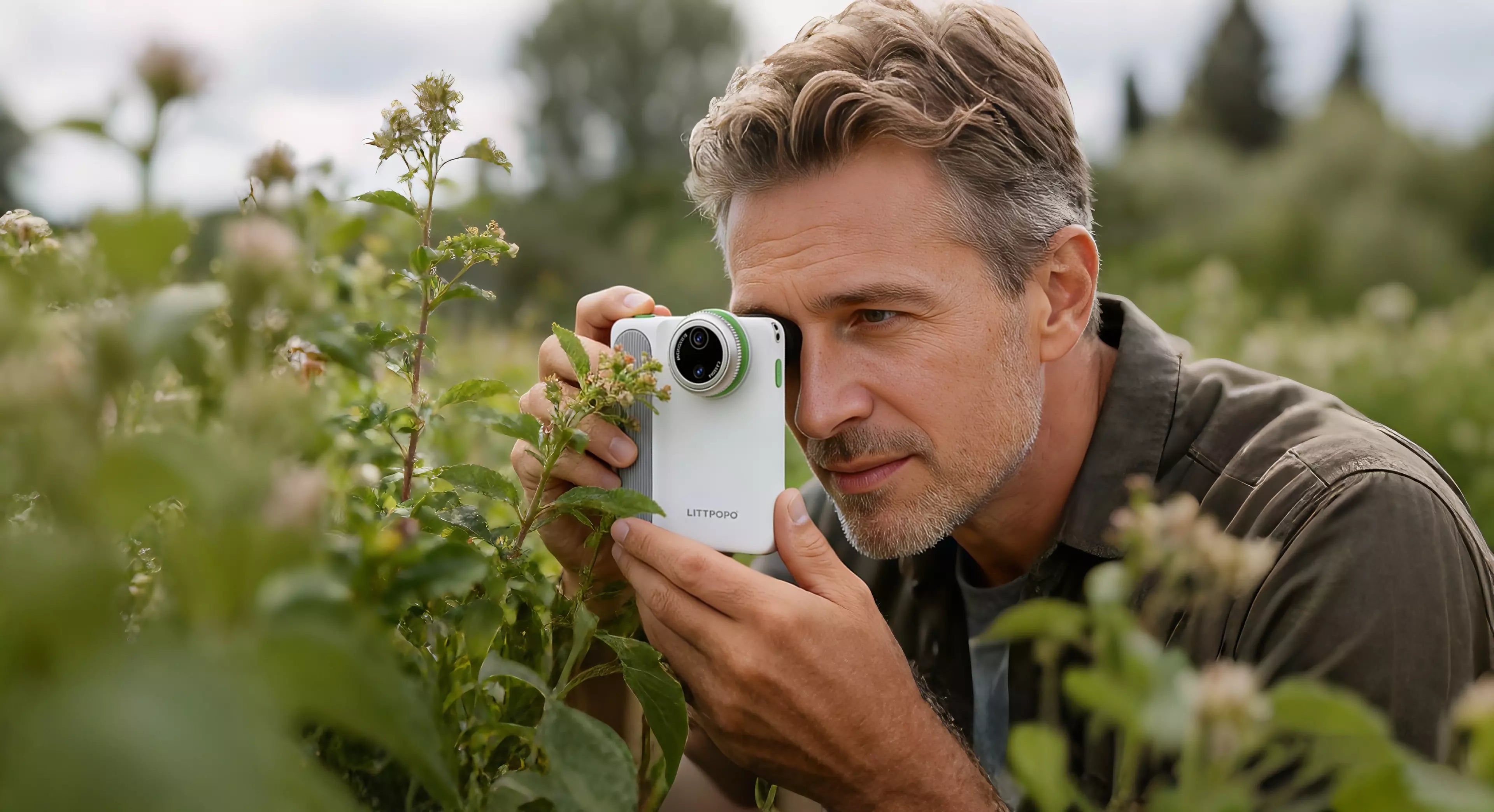
Leaf vein photography requires extremely close focusing distances. A microscope camera is designed to operate just millimeters from the leaf surface, allowing it to reveal:
-
Primary and secondary vein branching
-
Thickness variations within vein networks
-
Connection points where veins intersect
Unlike traditional macro photography, this approach focuses on surface-level inspection rather than zooming from a distance.
How does natural light affect plant texture photography?
Natural light plays a critical role in revealing texture.
For outdoor plant detail photography:
-
Early morning and late afternoon light produces softer contrast
-
Side lighting emphasizes raised veins and rough surfaces
-
Direct midday sunlight often flattens texture and reduces visibility
Angled light creates micro-shadows that make plant fibers and surface patterns easier to distinguish.
How do you keep leaves steady while photographing them outdoors?
Movement is one of the most common challenges.
Effective ways to reduce motion include:
-
Photographing leaves still attached to branches rather than loose
-
Using your body, backpack, or nearby objects as a wind barrier
-
Choosing shaded areas where airflow is reduced
In parks and gardens, low-growing plants often provide the most stable subjects.
Where are the best places to photograph plant textures outdoors?
Are public parks suitable for leaf vein photography?
Yes. Public parks are ideal environments for photographing plant details.
They typically offer:
-
A wide variety of plant species
-
Maintained paths for stable footing
-
Partial shade that improves lighting conditions
Fallen leaves after rain are especially useful, as moisture increases contrast between veins and surrounding tissue.
Can you photograph plant textures effectively in home gardens?
Home gardens are one of the most practical locations for plant texture photography.
They allow:
-
Repeated observation of the same plants over time
-
Control over shooting conditions
-
Access during optimal lighting hours
Garden plants often display clearer textures because they are healthier and less weathered than plants found in harsher environments.
What plant details can you capture along hiking trails?
Hiking trails offer natural diversity and unexpected detail.
Common subjects include:
-
Ferns with layered vein systems
-
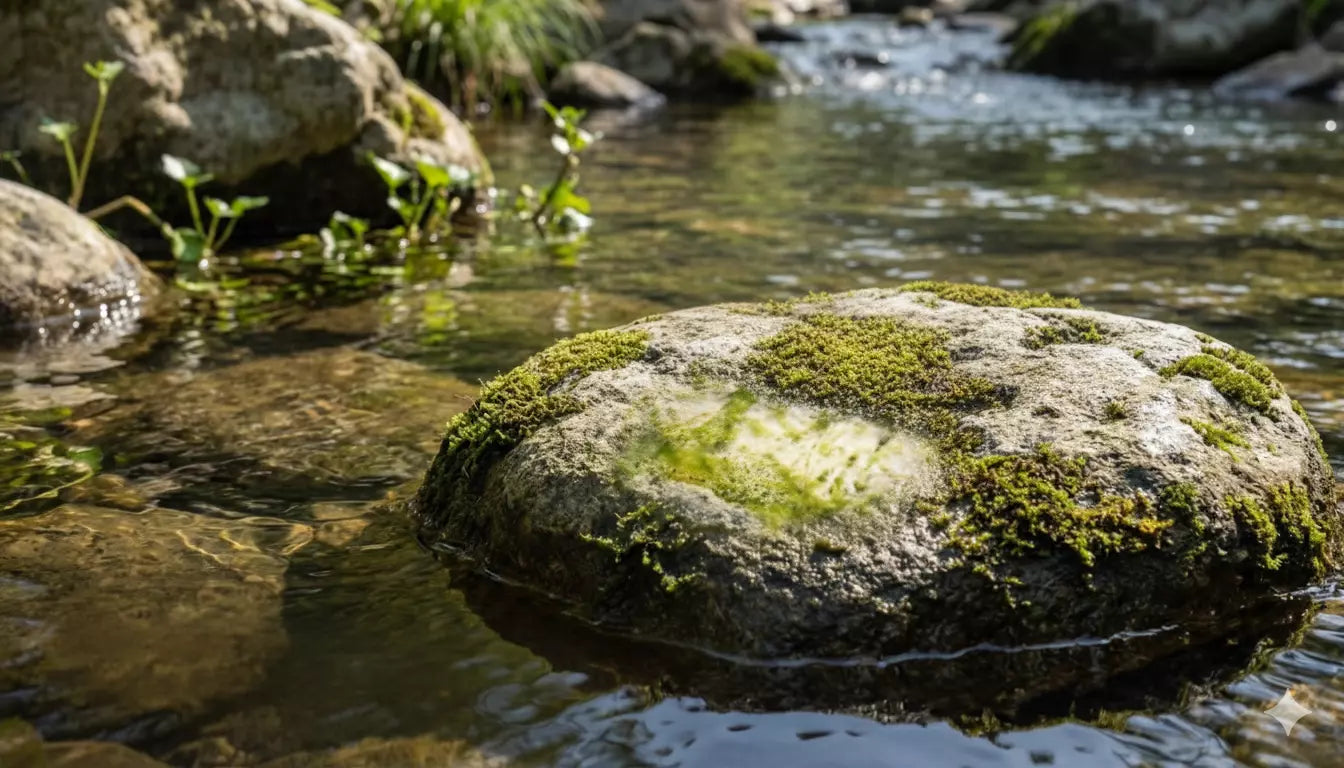
Moss with dense surface textures
-
Leaves showing insect bite marks or weather damage
Focus on plants at ground level or eye level to maintain stability on uneven terrain.
How does a microscope camera differ from macro photography for plants?

Why do macro lenses struggle with fine plant textures?
Macro lenses are designed for close-up photography but prioritize composition over surface inspection. When used outdoors, they often smooth out fine textures, especially when shooting handheld.
Depth-of-field limitations can also make it difficult to keep uneven leaf surfaces fully in focus.
How does a microscope camera capture plant texture differently?
Microscope cameras are optimized for surface-level observation rather than distance-based framing.
They:
-
Maintain clarity across micro-scale details
-
Reveal surface fibers and vein intersections
-
Capture texture without relying on optical zoom
This makes them more suitable for documenting plant structure and material detail.
For a broader explanation of how microscope cameras are used outside laboratory settings, see What Is a Microscope Camera for Outdoor Exploration?
What common mistakes do beginners make when photographing leaves outdoors?
Do beginners try to photograph the entire leaf at once?
Yes. Attempting to capture the full leaf often reduces visible detail.
Instead, focus on:
-
A single vein junction
-
A textured edge
-
A damaged area exposing internal structure
Smaller sections reveal more useful information than full-frame images.
Is shooting in bright sunlight a common mistake?
Direct sunlight is one of the most common issues. It reduces contrast and hides surface detail.
Overcast conditions or shaded areas usually provide better results for plant texture photography.
Do beginners move the camera too much?
Excessive camera movement often causes focus loss.
It is usually more effective to:
-
Stabilize the camera
-
Let the plant remain stationary
-
Make slow, minimal adjustments
Precision matters more than speed when working at close distances.
Quick summary: photographing plant details outdoors
-
Leaf veins and textures require very close focusing distances
-
Natural side lighting reveals texture better than direct sunlight
-
Parks, gardens, and hiking trails offer stable real-world environments
-
Microscope cameras prioritize surface detail over distant composition
Who is photographing plant details outdoors best suited for?
Is this useful for nature photographers?
Yes. Understanding plant structure at a micro level improves subject awareness and composition in wider landscape and nature photography.
Is this suitable for educators and learners?
Absolutely. Outdoor plant observation supports botany and ecology learning without requiring laboratory equipment.
Is this useful for casual outdoor explorers?
Yes. Even familiar environments become discovery spaces when viewed at a microscopic scale.
If you are new to outdoor observation, a step-by-step guide on setup and handling can be found in How to Use a Microscope Camera Outdoors: Step by Step.
Final takeaway
Photographing leaves and plant textures outdoors is not only possible—it reveals structural details that define how plants function in natural environments. With close positioning, thoughtful use of light, and stable subjects, parks, gardens, and trails become rich locations for detailed botanical observation.