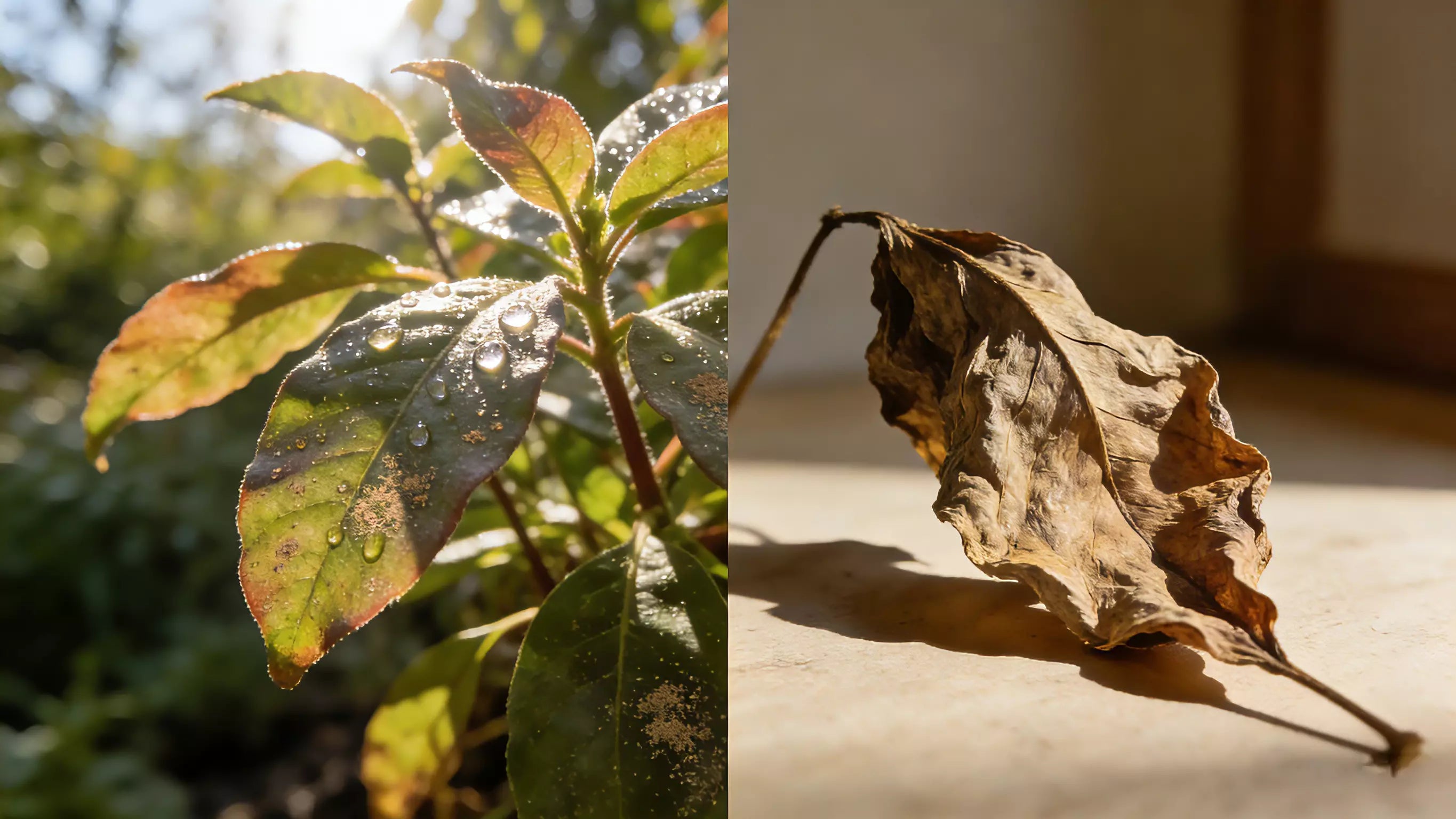
If you’ve ever tried photographing leaves, moss, or subtle plant textures outdoors, you’ve probably wondered:
Should I use a macro lens, or is a microscope camera a better option?
At first glance, both tools seem capable of close-up photography. But once you step into real outdoor environments — parks, gardens, or hiking trails — their differences become much more apparent.
This guide breaks down how microscope cameras and macro lenses actually perform in outdoor plant photography, and which one makes more sense depending on how you explore nature.
What Is a Macro Lens Designed For?

A macro lens is built for close-up photography with interchangeable cameras. It excels in controlled situations where lighting, distance, and stability can be carefully managed.
Macro lenses work best when:
-
You can maintain a fixed working distance
-
The subject is relatively flat
-
Lighting conditions are predictable
However, once you start photographing plants outdoors — especially uneven surfaces like bark, leaf veins, or layered petals — limitations begin to surface.
When attempting leaf vein photography, photographers often struggle to keep the entire subject in focus without complex setups.
What Makes a Microscope Camera Different?

A microscope camera is designed for direct observation of micro details, not traditional photography composition.
Instead of relying on long focal distances and lens extensions, microscope cameras:
-
Operate at extremely short working distances
-
Capture texture rather than framing
-
Emphasize structure over aesthetics
This design makes them particularly effective when documenting plant surfaces, fibers, and organic patterns in the wild.
You’ll often see microscope cameras in the wild, used directly on leaves, tree bark, and soil samples without tripods or controlled lighting.
Outdoor Reality: Where Macro Lenses Struggle

In real outdoor conditions, macro lenses face several challenges:
-
Depth of field is extremely shallow
-
Wind movement ruins focus
-
Lighting changes constantly
-
Carrying tripods reduces spontaneity
This is especially noticeable when photographing plants along trails or in public gardens, where stopping to set up equipment isn’t always practical.
Many beginners assume higher magnification solves these problems, but in reality, understanding stability and observation distance matters far more — especially for outdoor microscope cameras for beginners】.
Where Microscope Cameras Excel Outdoors

Microscope cameras thrive in situations where macro lenses feel overengineered.
They allow you to:
-
Observe leaf textures instantly
-
Capture plant details without repositioning
-
Explore micro-worlds while walking or hiking
For example, devices designed specifically for outdoor plant observation remove the need for lens swapping, tripods, or manual focus stacking.
This makes microscope cameras ideal for:
-
Nature walks
-
Educational exploration
-
Casual documentation of plant life
Choosing the Right Tool for Plant Photography

So which one should you choose?
-
Macro lens: Best for photographers who prioritize composition, controlled lighting, and image aesthetics.
-
Microscope camera: Better for explorers who want to observe, learn, and document plant structures naturally.
Your choice ultimately depends on how you interact with nature — whether you pause to set up shots or prefer to discover details as you move.
Many plant enthusiasts combine both approaches across different outdoor exploration use cases, using each tool where it performs best.
Final Thoughts
Macro lenses and microscope cameras are not competitors — they serve different exploration styles.
If your goal is to understand what plants really look like up close, especially outdoors, microscope cameras offer a more intuitive and accessible way to engage with nature’s hidden details.
And once you notice those textures and patterns, it’s hard to stop looking.