Why Does a Microscope Camera Matter in Real Use?
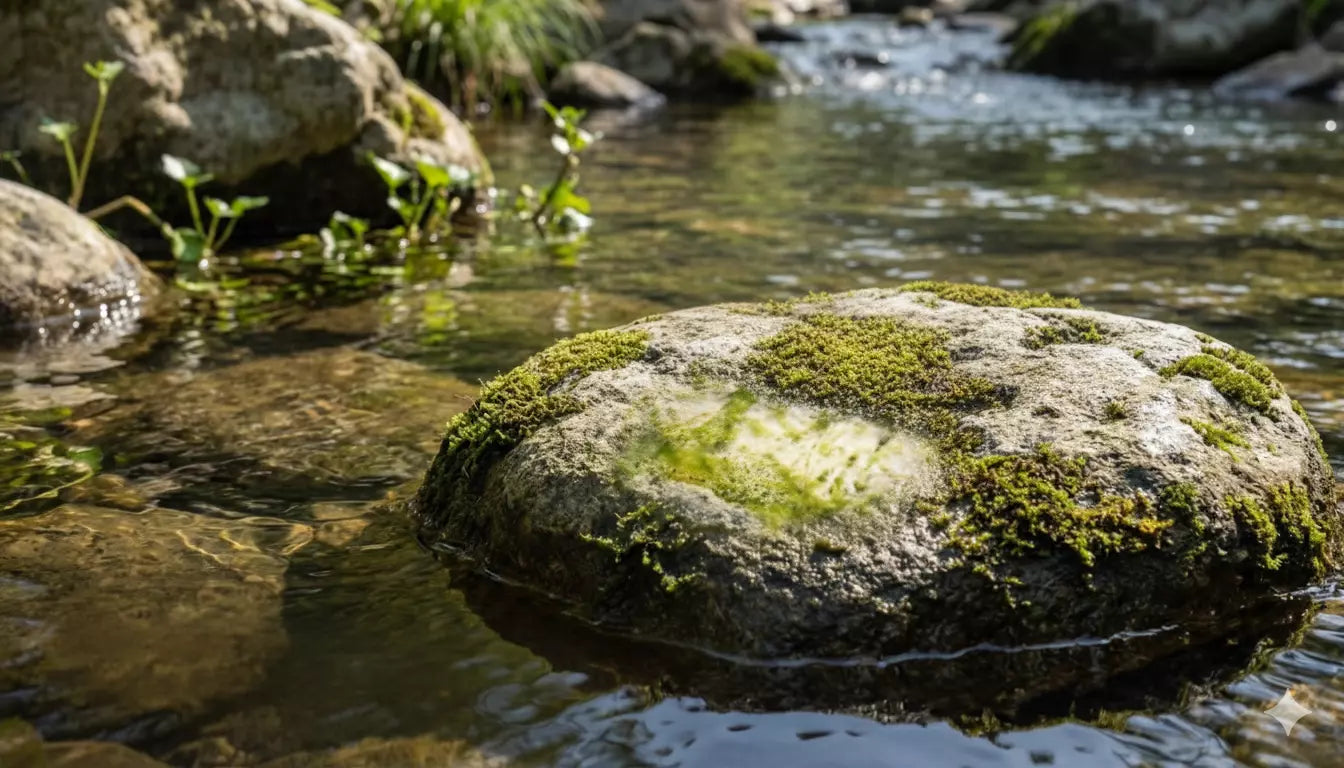
Observing nature through a microscope camera transforms the way you perceive the outdoors. Tiny details in plants, insects, and soil textures often go unnoticed. Capturing them not only creates striking images but also deepens understanding of ecosystems and enhances outdoor learning experiences. For photography enthusiasts, this means combining technical skill with real-world exploration. MicroCAM X1 provides the portability, resolution, and macro capabilities needed for immersive field photography.

How Does It Work Step by Step?
1. Selecting Your Subject
Start with subjects that have interesting textures or intricate patterns, such as flower petals, insect wings, bark surfaces, or moss. Early morning or late afternoon light often provides the best natural illumination.
2. Setting Up MicroCAM X1
-
Power on the camera and attach any necessary mounts or stabilizers.
-
Set the camera to macro mode to capture fine details.
-
Choose 4K resolution for the highest clarity, particularly for video or print.
3. Framing and Focusing
-
Position the camera as close as possible without disturbing the subject.
-
Adjust focus gradually to highlight micro details.
-
For moving subjects, use a tripod or handheld stabilizer to reduce blur.
4. Capturing the Scene
-
Take multiple shots at slightly different angles to ensure coverage.
-
Use slow shutter speed for static subjects to maximize detail.
-
For landscapes, combine macro close-ups with wider shots to contextualize the environment.
5. Reviewing and Refining
-
Immediately review images in the field to confirm clarity.
-
Adjust lighting or camera angle as needed.
-
Take notes of the locations and conditions to replicate or improve in future outings.
Common Mistakes Beginners Make
-
Ignoring light conditions: Bright direct sunlight can create harsh shadows, while low light can blur micro details. Observe natural lighting patterns and adapt shooting times.
-
Moving subjects too quickly: Insects and small animals can move suddenly. Patience and slow movements are key.
-
Overcomplicating settings: Beginners sometimes adjust too many parameters at once. Start simple—macro mode and 4K resolution are usually sufficient.
-
Neglecting stabilization: Hand tremors drastically reduce image clarity. Use a tripod, stabilizer, or place the camera on a firm surface.
-
Focusing too broadly: Ensure the main subject fills the frame and is sharply in focus; otherwise micro details will be lost.
Who Is This Best For?
Microscope cameras for outdoor exploration are ideal for:
-
Nature photographers who want to capture intricate micro details in flora and fauna.
-
Outdoor enthusiasts and explorers who enjoy documenting ecosystems.
-
Educators and students seeking to visually explain natural structures.
-
Hobbyists looking to combine photography with field research.
Anyone passionate about observing the small-scale beauty of nature will find value in MicroCAM X1’s combination of portability, high resolution, and macro capability.
Tips for the Best Spots to Photograph in the Wild

-
Plants: Look for dew-covered leaves, moss, or flowers in shaded forest areas. Morning light enhances textures.
-
Insects: Gardens, riverbanks, and meadows are rich habitats. Move slowly to avoid startling your subjects.
-
Landscapes: Capture micro-landscapes in leaf patterns, bark textures, or soil formations. Combine with wider shots for context.
-
Seasonal Variation: Spring and early summer offer blooming flora and active insects, while autumn provides rich color contrasts and textures.
MicroCAM X1 allows you to explore both micro and macro perspectives in these environments, producing detailed imagery that is difficult to achieve with traditional cameras.
FAQ Section
Q1: Can I use MicroCAM X1 outdoors without damaging it?
A1: Yes, MicroCAM X1 is designed for outdoor use and is robust enough for field conditions. Avoid submerging it in water or exposing it to extreme temperatures.
Q2: How close can I get to insects for macro shots?
A2: MicroCAM X1 allows macro focus from just a few centimeters. Use slow movements to avoid disturbing small animals.
Q3: Can I shoot video in addition to photos?
A3: Absolutely. MicroCAM X1 supports 4K video recording, making it ideal for time-lapse or slow-motion nature footage.
Q4: Is MicroCAM X1 suitable for beginners?
A4: Yes. Its simple interface, macro mode, and 4K resolution make it accessible for anyone interested in exploring the natural world.
Q5: What subjects work best with MicroCAM X1?
A5: Plants, insects, textures in nature, moss, bark, crystals, and small landscapes all reveal stunning details under 4K macro photography.
Conclusion
Using a microscope camera like MicroCAM X1 for outdoor exploration opens a new dimension in nature photography. By capturing 4K macro details of insects, plants, and landscapes, enthusiasts can explore and document intricate details of the natural world. With careful subject selection, attention to light, and stabilization techniques, anyone can create compelling, educational, and visually stunning images during outdoor adventures.