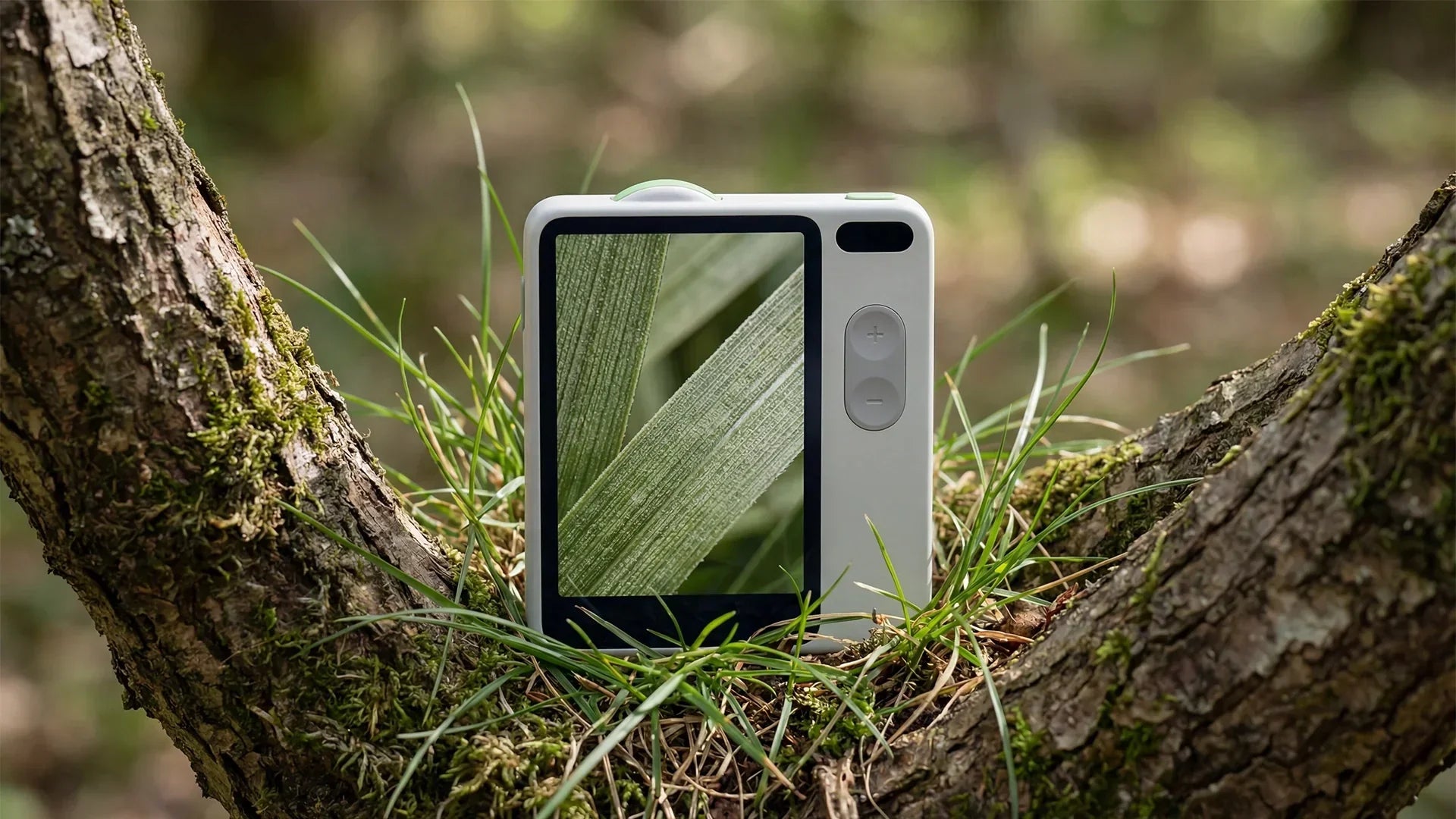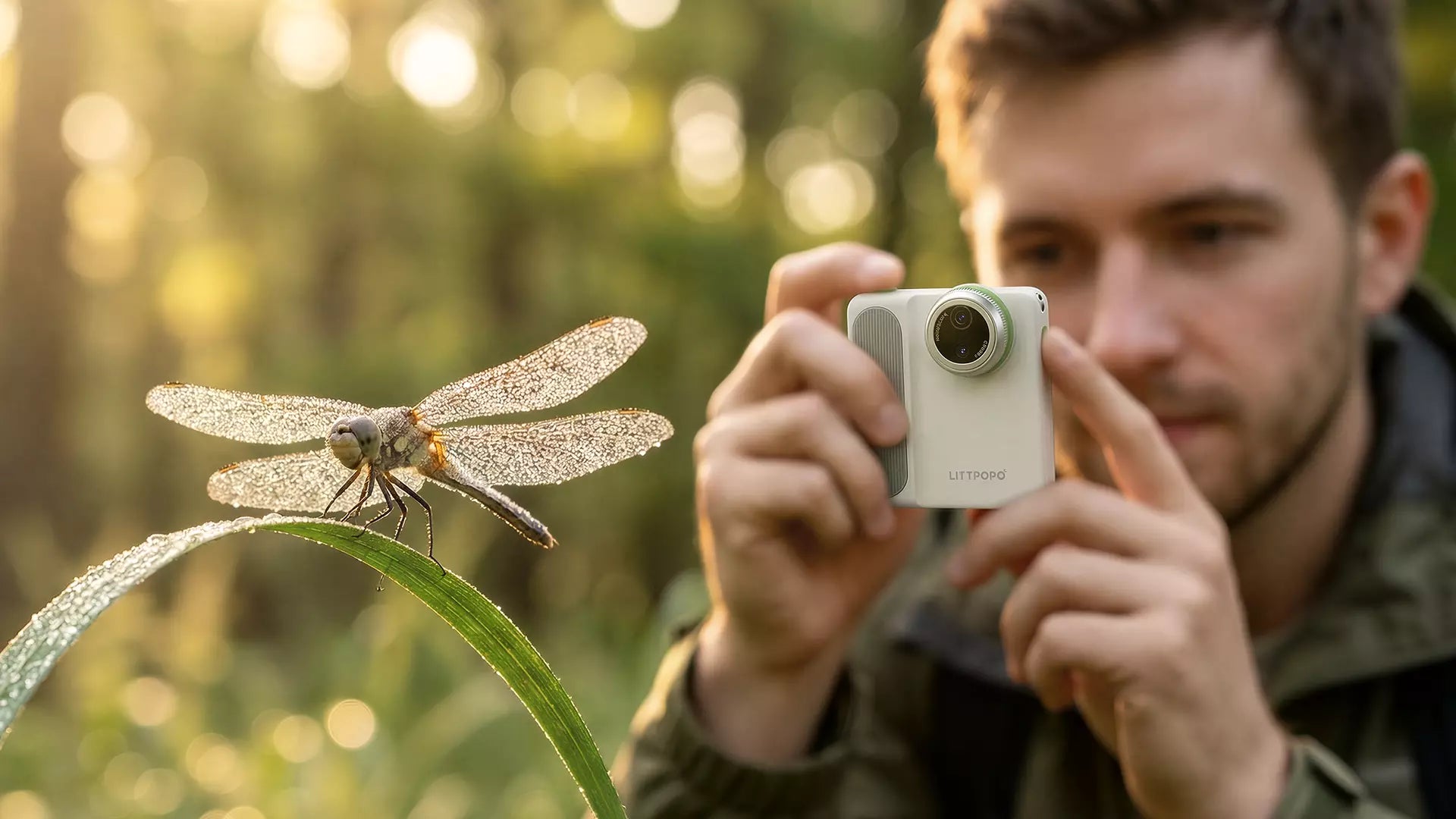
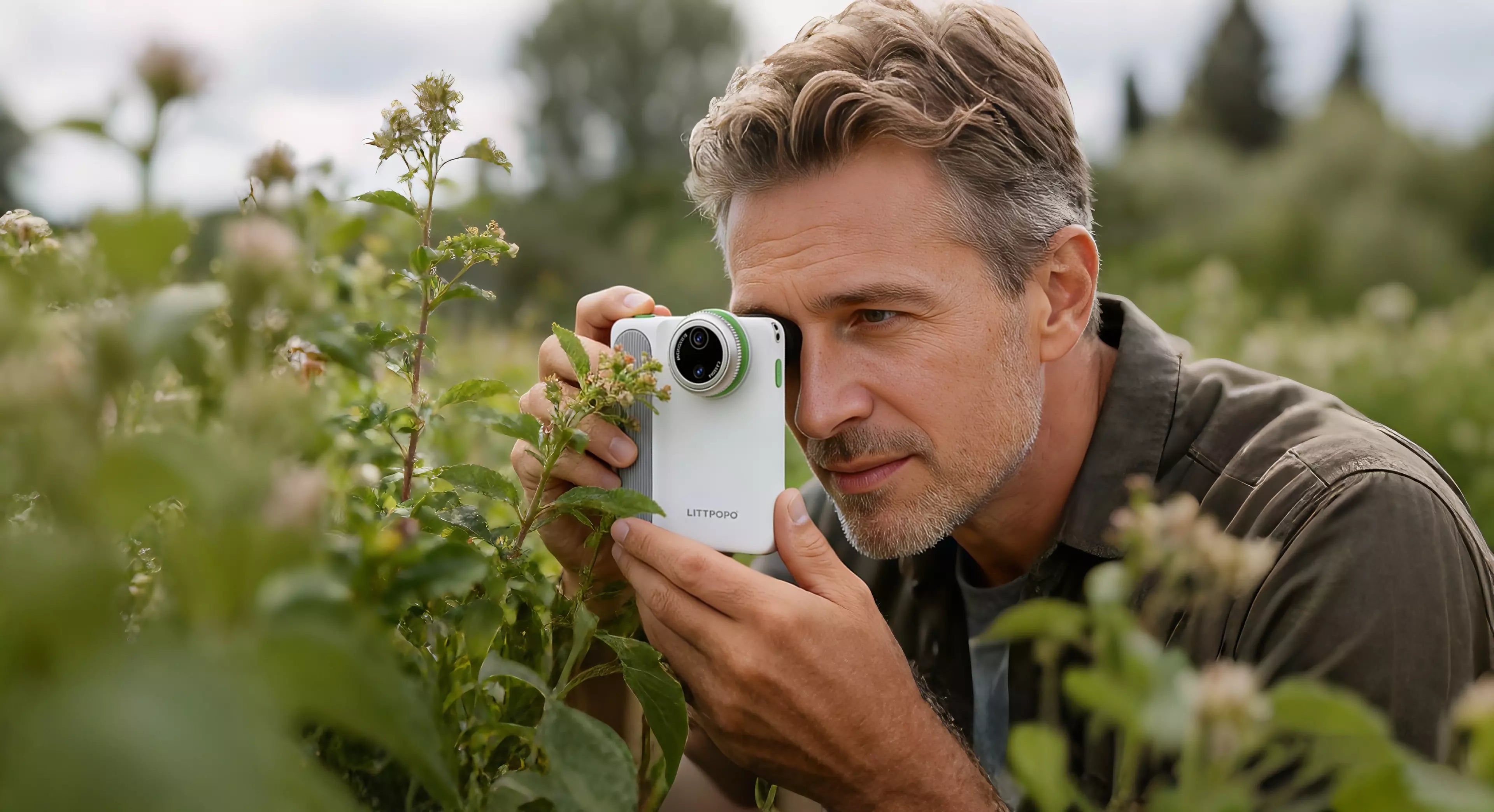

Why do outdoor explorers photograph small details in nature?
For many hikers and campers, the "big picture" landscape is only half the story. Outdoor explorers photograph small details to gain a deeper understanding of the ecosystems they traverse. In coastal and wetland areas, the most significant biological activity often happens at a microscopic level.
Photographing these details serves several purposes:
-
Species Identification: High-magnification images of leaf veins or insect segments help naturalists identify specific species that look identical from a distance.
-
Environmental Monitoring: Observing the health of moss or the presence of specific micro-fauna can indicate the water quality of a wetland.
- Artistic Discovery: Macro photography reveals patterns, such as the fractal geometry of a fern or the iridescent scales on a dragonfly, providing a unique creative perspective on a familiar trail.
How can you use a microscope camera during coastal and wetland exploration?

Using a portable microscope camera in the field requires a slightly different approach than standard photography. Because these devices are sensitive to movement, stability and lighting are your primary concerns.
Step 1: Stability and Positioning
In wetlands, the ground is often soft or uneven. Instead of holding the camera by hand, which leads to blurry images at high magnification, rest your forearms on a solid surface like a fallen log or a dry rock. If the subject is on the ground, lay flat to minimize body tremors.
tep 2: Managing Natural Light
Microscope cameras often have built-in LED rings, but harsh sunlight can cause glare on wet surfaces like mud or damp leaves. Position yourself so your body shades the subject, allowing the camera’s internal lights to provide consistent, even illumination without "blowing out" the highlights.
Step 3: Focusing via Distance
Most portable microscopes have a fixed focal length. Rather than turning a dial, it is often easier to move the camera slowly toward or away from the subject. In a coastal environment, use a steady, sliding motion to find the "sweet spot" where the grain of sand or the texture of a seashell becomes sharp.
What natural subjects work best in these environments?

Coastal and wetland regions are biodiversity hotspots, offering a high density of subjects that are physically small but structurally complex.
Wetland Insects
Wetlands are the primary breeding grounds for countless insects. Using wetland insect photography techniques, you can capture the compound eyes of a horsefly or the delicate, water-repellent hairs on a water strider’s legs. These features are evolutionary marvels designed for survival in semi-aquatic habitats.
Coastal Plants and Succulents
Plants near the ocean often have "halophytic" adaptations—features that help them survive salt spray. Under a microscope, you can see the specialized salt-secreting glands on the leaves of saltmarsh grass or the thick, waxy cuticles of coastal succulents designed to prevent dehydration.
Sand and Mineral Textures
Coastal sand is rarely just "tan." When viewed through a microscope, a single pinch of sand from a beach may reveal tiny fragments of pink coral, translucent quartz crystals, and the weathered remains of microscopic seashells (foraminifera).
Moss and Lichen
In the damp shade of a wetland, mosses act as miniature forests. A microscope camera reveals the individual "leaves" of the moss, which are often only one cell thick. You may even find "tardigrades" or other microscopic life forms living within the water droplets trapped in the moss.
What mistakes do beginners make in outdoor macro photography?

Transitioning from standard photography to coastal macro photography involves a steep learning curve. Avoiding these common pitfalls will improve your results significantly:
-
Ignoring Wind Interference: Even a light breeze can move a leaf or an insect out of focus. Beginners often try to "chase" the movement. Instead, wait for a lull in the wind or use a small clip to steady the stem of the plant you are photographing.
-
Over-magnification: More zoom isn't always better. At extreme magnification (200x or more), the "depth of field"—the area of the image that is in focus—becomes paper-thin. It is often better to use a lower magnification (20x to 50x) to keep the entire subject clear.
-
Lens Contamination: Coastal environments are full of salt spray and humidity. Beginners often forget to check their lens for "fogging" or salt crust. Always carry a microfiber cloth and keep the lens cap on between shots to prevent the optics from degrading.
-
Poor Timing: Many wetland insects are most active—and most stationary—during the cooler parts of the day. Attempting to photograph a fast-moving dragonfly in the heat of noon is difficult. The early morning "blue hour" is ideal because insects are often sluggish and covered in photogenic dew.
Who benefits most from this activity?
The use of microscope cameras in the wild is a versatile hobby that appeals to several different groups:
-
Citizen Scientists: Amateur naturalists can contribute to global databases (like iNaturalist) by providing high-detail photos that help professional biologists track insect populations or the spread of invasive plant species.
-
Educators and Parents: For families on a nature walk, a microscope camera transforms a standard hike into an interactive science lesson. It engages children by showing them a "hidden world" that feels like a discovery.
-
Digital Artists and Designers: Textures found in tree bark, rock minerals, and insect wings serve as excellent reference material for digital art, 3D modeling, and textile design.
-
Solo Hikers: For those who prefer a slower pace, macro photography encourages "slow hiking." It rewards the observer for stopping and paying attention to a single square foot of the trail, making a short walk feel like a massive exploration.
By integrating a portable microscope into your outdoor kit, you change your relationship with the environment. Instead of just passing through a landscape, you begin to see the mechanical and biological "gears" that keep the coastal and wetland ecosystems functioning. Whether it is the serrated edge of a blade of grass or the hidden patterns on a beetle's back, these details provide a profound connection to the natural world.