
Why does macro photography matter in real outdoor situations?
In the vast scale of the Australian landscape, macro photography allows you to document the intricate biodiversity that often goes unnoticed. It shifts the focus from grand vistas to the "hidden" world, highlighting the textures of weathered eucalyptus bark, the geometric patterns of a jumping spider’s eyes, or the delicate dew on a sundew plant.
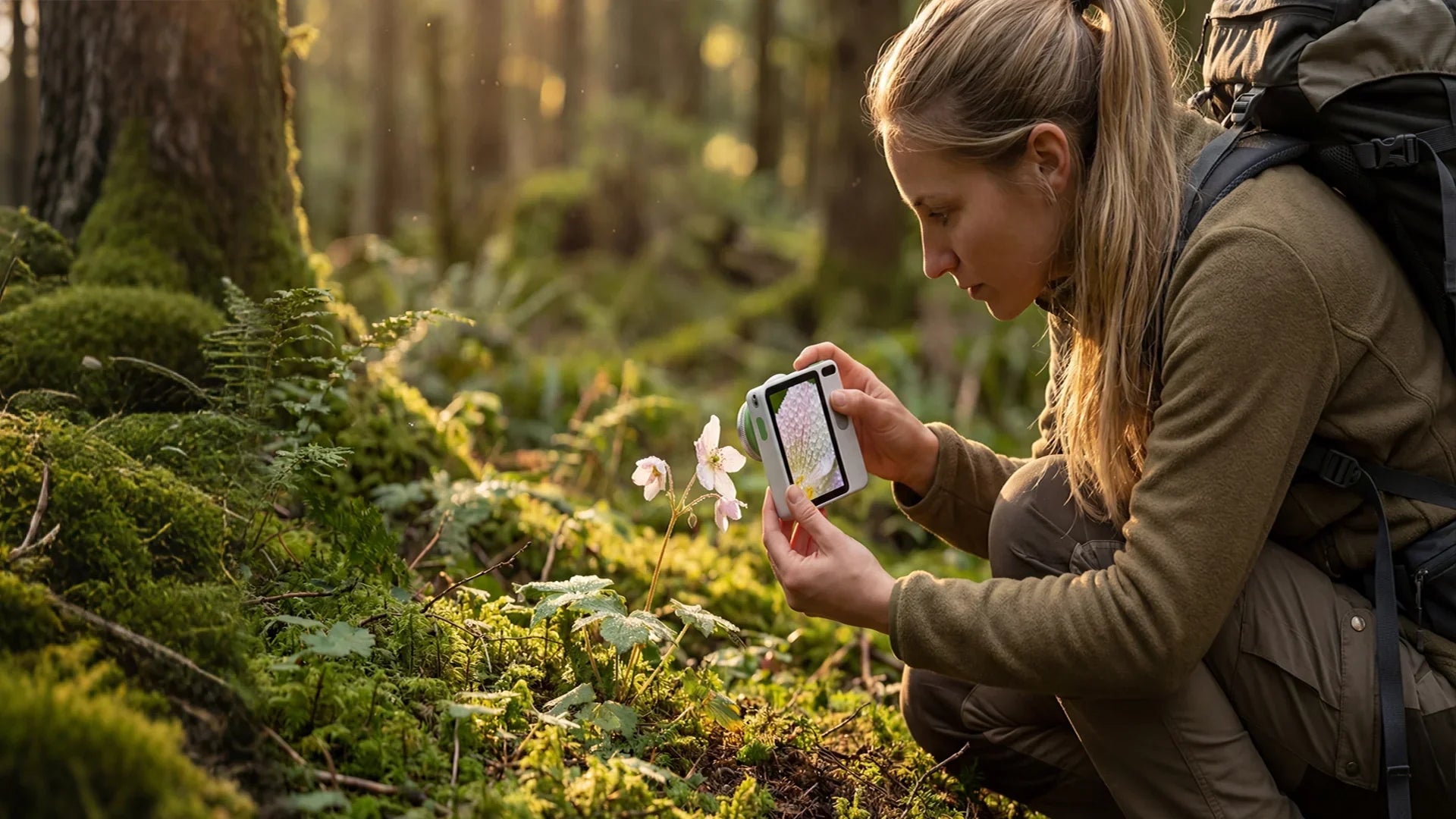
For the outdoor explorer, this practice fosters a deeper connection with the environment. Instead of hiking quickly to a destination, macro photography requires you to slow down and observe small changes in the ecosystem. This patience often leads to discovering rare species or witnessing unique behaviors, such as a Peacock Spider's display or the emergence of a cicada. Practically, it allows photographers to produce compelling images even in flat light or mid-day conditions that are typically unsuitable for traditional landscape photography.
How does macro photography work step-by-step in outdoor environments?

Photographing small subjects in the wild requires a blend of technical precision and environmental awareness.
-
Step 1: Locate the "Micro-Habatit" Look for transition zones, such as the edge of a walking trail where sunlight hits the foliage, or damp, rotting logs in a forest. These areas are often hotspots for insects and fungi.
-
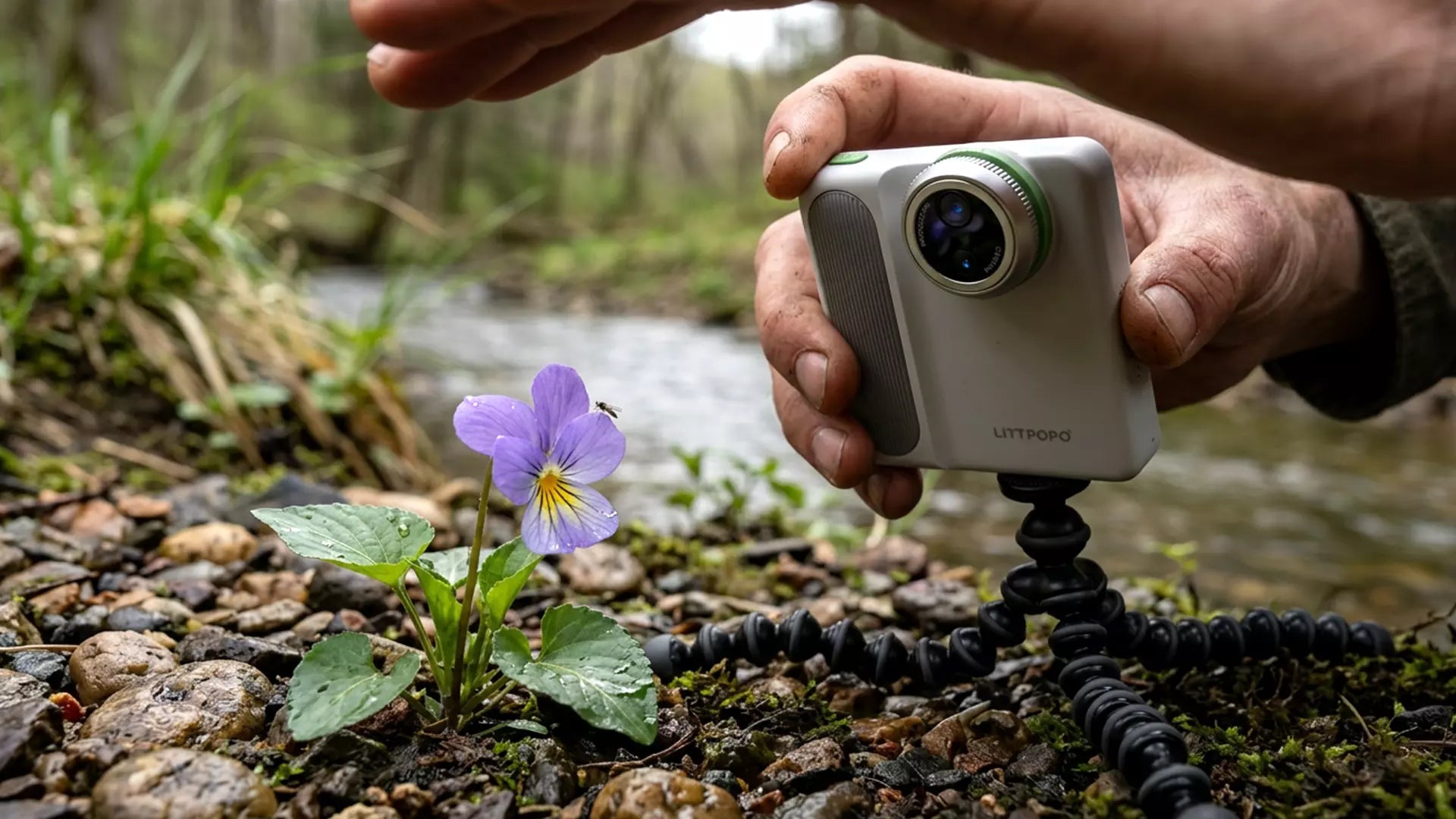
Step 2: Stabilize Your Position In the field, wind is your primary enemy. If you are photographing a wildflower on a hiking trail, use your body to block the breeze or wait for a "lull" in the wind. Use a tripod or a beanbag on the ground to steady your camera, as even a millimeter of movement can ruin focus at high magnification.
-
Step 3: Manage the Light Harsh Australian sun creates deep shadows. Use a small portable diffuser or even your own shadow to create even, soft light over your subject. This reveals the true colors and fine details of plants and insects.
-
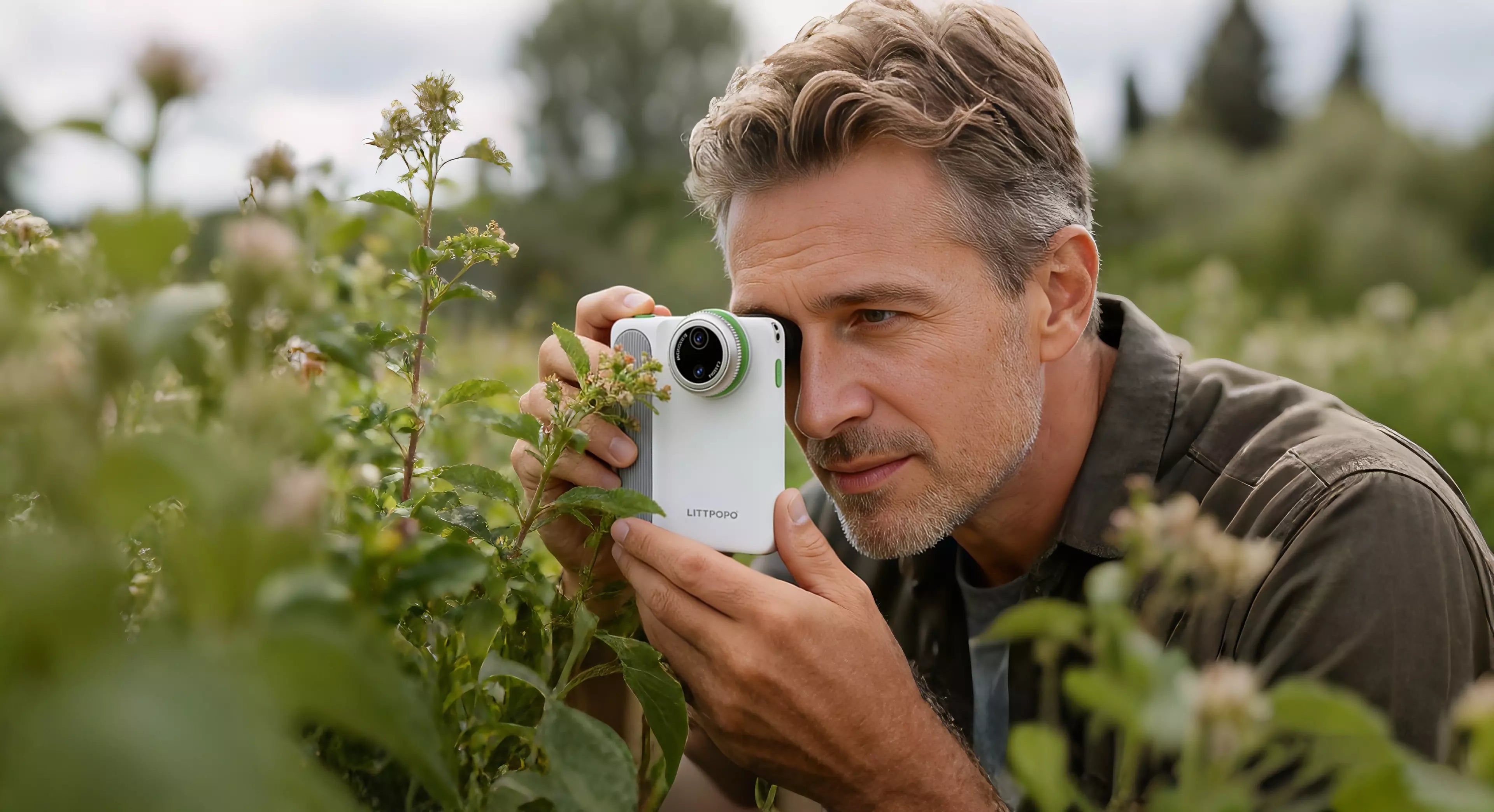
Step 4: Focus on the Critical Point For living creatures, always prioritize the eyes. If the eyes are sharp, the viewer will perceive the entire image as successful. For plants, focus on the reproductive organs (stamens) or the leading edge of a petal to guide the eye.
-
Step 5: Check Your Background Before clicking the shutter, scan the edges of your frame. A stray bright leaf or a distracting twig in the background can pull attention away from your subject. Shifting your camera just a few centimeters can often result in a cleaner, more professional-looking backdrop.
Where can you try this in real life?

Australia’s public lands provide a variety of specialized environments for macro work.
Botanical Gardens
Gardens like the Royal Botanic Gardens Victoria (Melbourne) or the Brisbane Botanic Gardens Mt Coot-tha are ideal for beginners. They offer paved paths and curated plant collections, which means you can find a high density of subjects—like bees, butterflies, and exotic flowers—without having to trek deep into the bush.
Rainforest Walking Trails
For those interested in fungi and moss, the Daintree Rainforest in Queensland or Mount Field National Park in Tasmania are world-class. During the wetter months, the leaf litter along the boardwalks becomes a gallery of "zombie" fungi, colorful mushrooms, and intricate ferns. The canopy provides natural diffusion, making the light soft and manageable.
Coastal Heathlands and Reserves
Fitzgerald River National Park in Western Australia is a global biodiversity hotspot. During the wildflower season (winter and spring), the sandy tracks are lined with banksias, hakeas, and orchids. These environments are excellent for capturing the rugged textures of Australian flora and the specialized insects that pollinate them.
What mistakes do beginners commonly make?

Beginning macro photographers often struggle with the physical and technical limitations of working at a 1:1 scale.
-
Relying on Autofocus: At very close distances, camera sensors often "hunt" or miss the intended focus point. Most experienced macro photographers use manual focus and physically move the camera back and forth until the subject is sharp.
-
Ignoring the "Parallel Plane": If you photograph an insect from a 45-degree angle, only a tiny sliver of its body will be in focus. To get more of the subject sharp, try to keep the camera sensor parallel to the subject’s body.
-
Using Too Much Aperture (or Too Little): It is tempting to use $f/22$ to get everything in focus, but this can lead to "diffraction," which makes the whole image look soft. Conversely, $f/2.8$ often leaves the depth of field too shallow. Most macro work thrives between $f/8$ and $f/13$.
-
Approaching Too Fast: Many beginners scare away insects by moving quickly or casting a shadow over them. Approach slowly, stay low to the ground, and avoid sudden movements to keep the subject from fleeing.
Who is this most useful for?

Macro photography is a versatile pursuit that appeals to several different types of outdoor enthusiasts:
-
Nature Photographers: Those who want to expand their portfolio beyond landscapes and find subjects regardless of the time of day or weather conditions.
-
Hikers and Bushwalkers: People who are already spending time on the trails and want a way to document the unique flora and fauna they encounter along the way.
-
Beginners and Hobbyists: Since macro subjects can be found in a backyard or local park, it is an accessible way to practice manual camera settings and composition without traveling to remote locations.
-
Scientific Illustrators and Citizen Scientists: Photographers who contribute to platforms like iNaturalist use macro techniques to provide clear, detailed images for species identification and conservation.
Would you like me to create a checklist of essential macro gear for an Australian bushwalk?