
Nature contains a parallel realm just below our threshold of seeing. As outdoor lovers, photographers and students of the natural world, we tend to marvel at the great landscapes – the sweeping mountain ranges, smashing beaches or dense forest canopies. But some of the most intricate evolutionary wonders are fully shrunk, totally invisible to the naked eye.
When you stop to ask, what is an insect, the technical description is rather simple: a member of the arthropod family with a three-part body (head, thorax and abdomen), an exoskeleton and three pairs of jointed legs. But their real importance is the astonishing, even alien, diversity.
Earth is home to an astounding range of types of insects,, from highly specialized beetle colonies to opportunistic pollinators. Such a huge diversity naturally leads to an interesting question: how many insects are in the world? Entomologists believe that there are more than a million identified species, and the total population of living individual insects at any given time is about a mind-boggling 10 quintillion. They outnumber humans by hundreds of millions to one, and silently tend the ecosystems of our world.
The Single Flower, Micro-Wilderness In

This summer I wanted to escape wide angle landscapes and become lost in this little wilderness. My attention wandered to a huge sunflower blossoming in the garden. Its golden head, a brilliant solar panel, was a magnet for winged visitors in a continual stream. In a great petal's dark recesses I observed a single black ant travelling over the rough, pollen-dusted country.
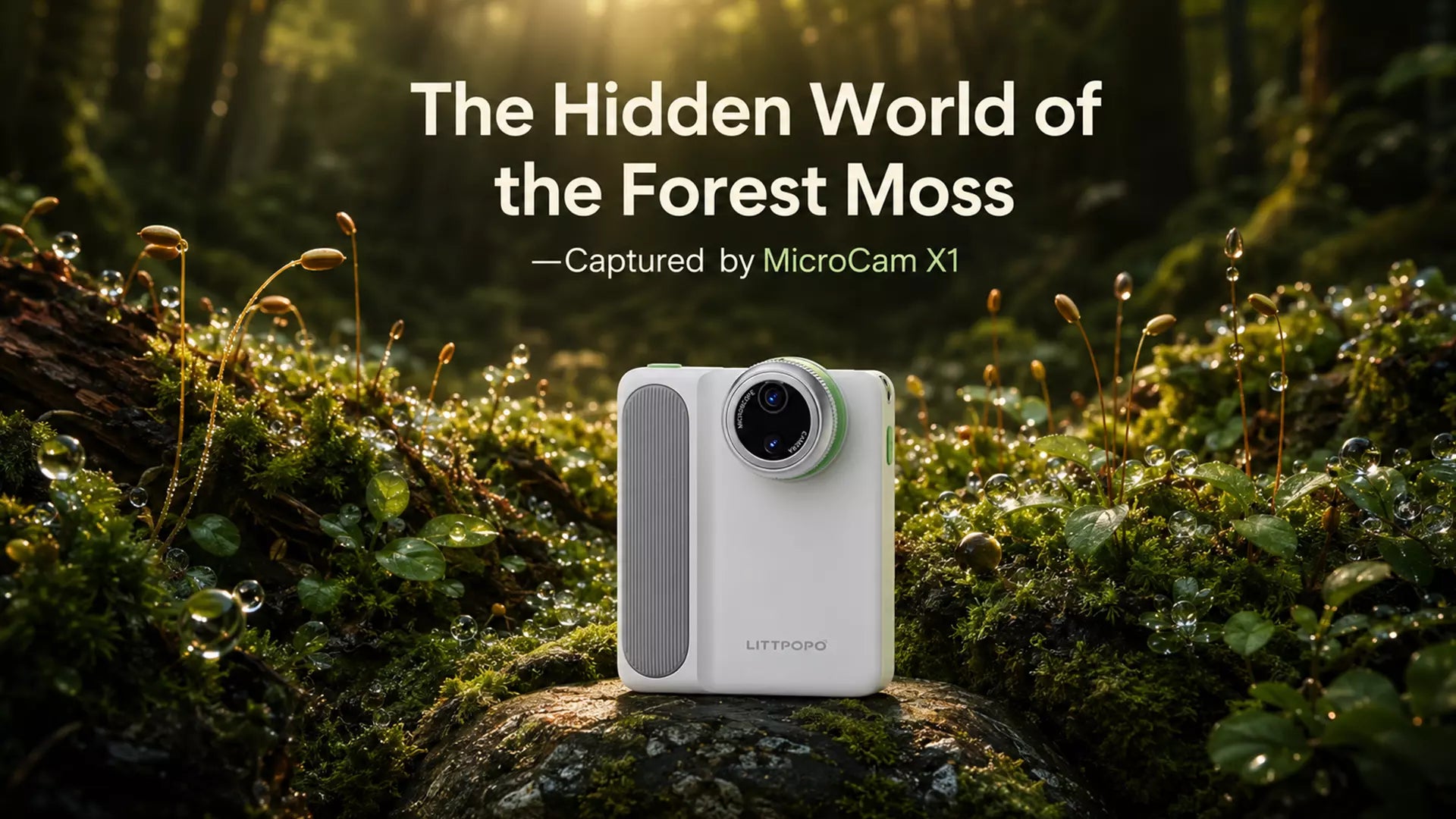
What was its purpose? Was it searching for tasty honeydew excreted by aphids, or collecting construction elements for its colony? So I brought out my latest piece of field gear, the MicroCam X1. This instrument, with its high-powered 400x portable microscope lens, promised to narrow the distance between the human eye and the tiny reality. My goal was simple yet ambitious, to capture an authentic, high definition ant close up, pushing the lens to its maximum limit to frame an unsurpassed ant face close up.
The Cinema of the Minuscule World
Close up shot definition in traditional filmmaking is a method when the camera fills the frame with a feature of a subject to reveal texture, hidden intricacies, or raw emotion. A close up, properly produced, forces the viewer to confront facts that would otherwise slip into the background. I wanted to tap into that cinematic storytelling capacity for personal entomological discovery – to take an everyday backyard bug and make it the star of an epic nature documentary.
I brought the lens of the MicroCam X1 to bear on the resting ant. At 400x, the familiar insect shape melted into a biomechanical masterpiece. The ant was no longer just a black speck, but a strongly armored warrior with dark interlocking plates. Not a smooth surface, its exterior shell had a complicated topography of leather-like textures and small microscopic grooves.
A face-to-face meeting with a difference

And then came the moment of perfect alignment, the ultimate ant face closeup. The ant's giant compound eyes filled the frame through the show. Each eye was a complex mosaic of numerous hexagonal lenses, built for ultra efficient motion tracking. Between the lenses I could see tiny sensory hairs, sensing slight alterations in wind currents.
It cleaned its antennae, its massive mandibles moving in methodical precision like a pair of industrial serrated clamps. Every segment, joint and specialized receptor on those antennas popped under the 400x field of view. But the thing was obviously extraterrestrial, and brilliantly made for survival purposes.
It was thrilling to watch its mouthparts work across the sunflower petal. The ants movements were not random, they were regular, and quite intentional. But there was one grain of yellow pollen, undetectable to the naked sight, that stood in its way like a great boulder. Ant: it pushed it out of the way with its head, looked again at its course, and moved on; Capturing the scene showed how much great narrative we miss every day because we lack the visual tools to see it.
Quick Start Guide & Field Notes

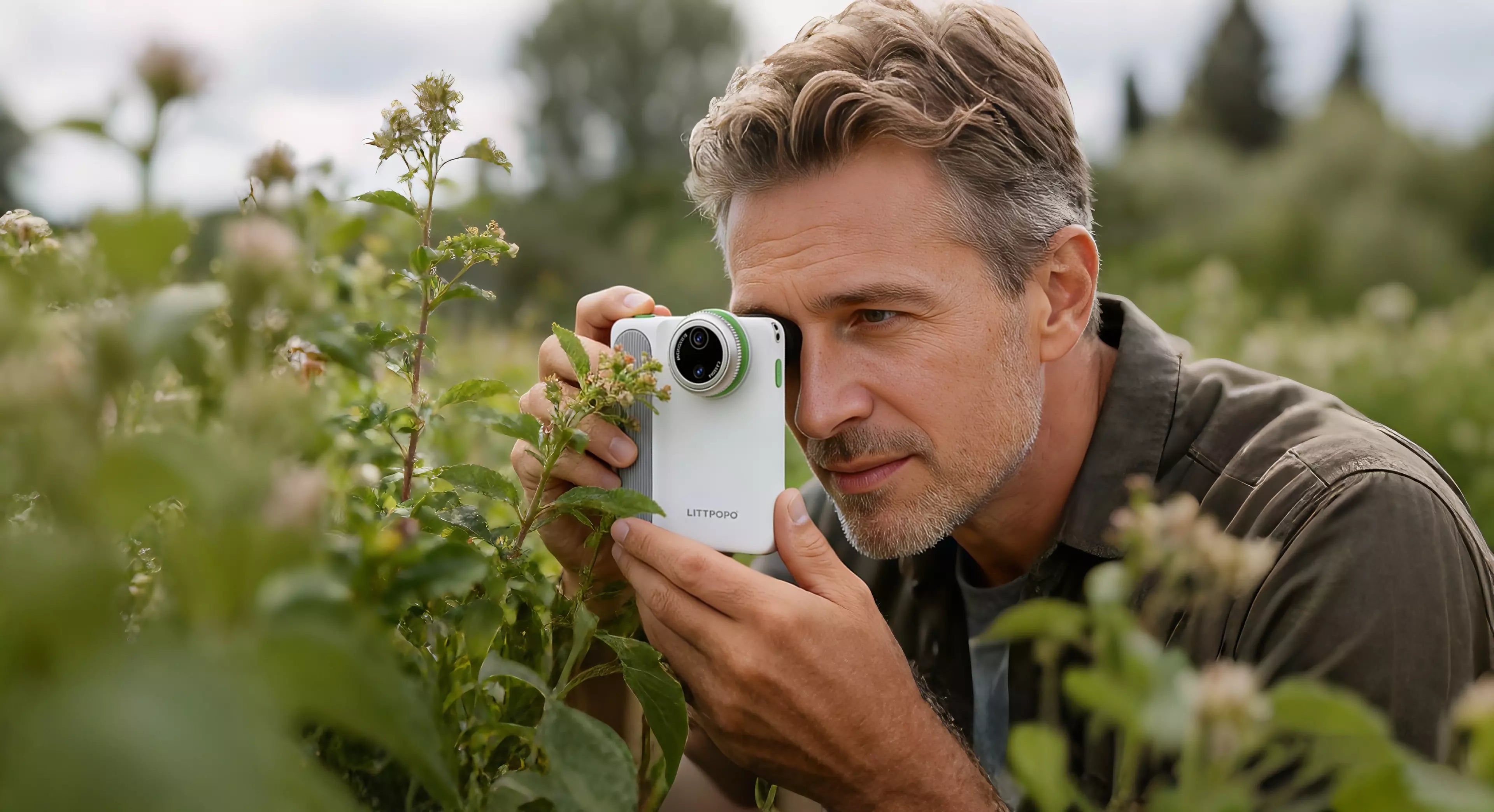
Entering this secret world changes your entire outlook on backyard ecology. The MicroCam X1 is very tactical and sleek to use for researchers and wildlife enthusiasts who want to film comparable actions.
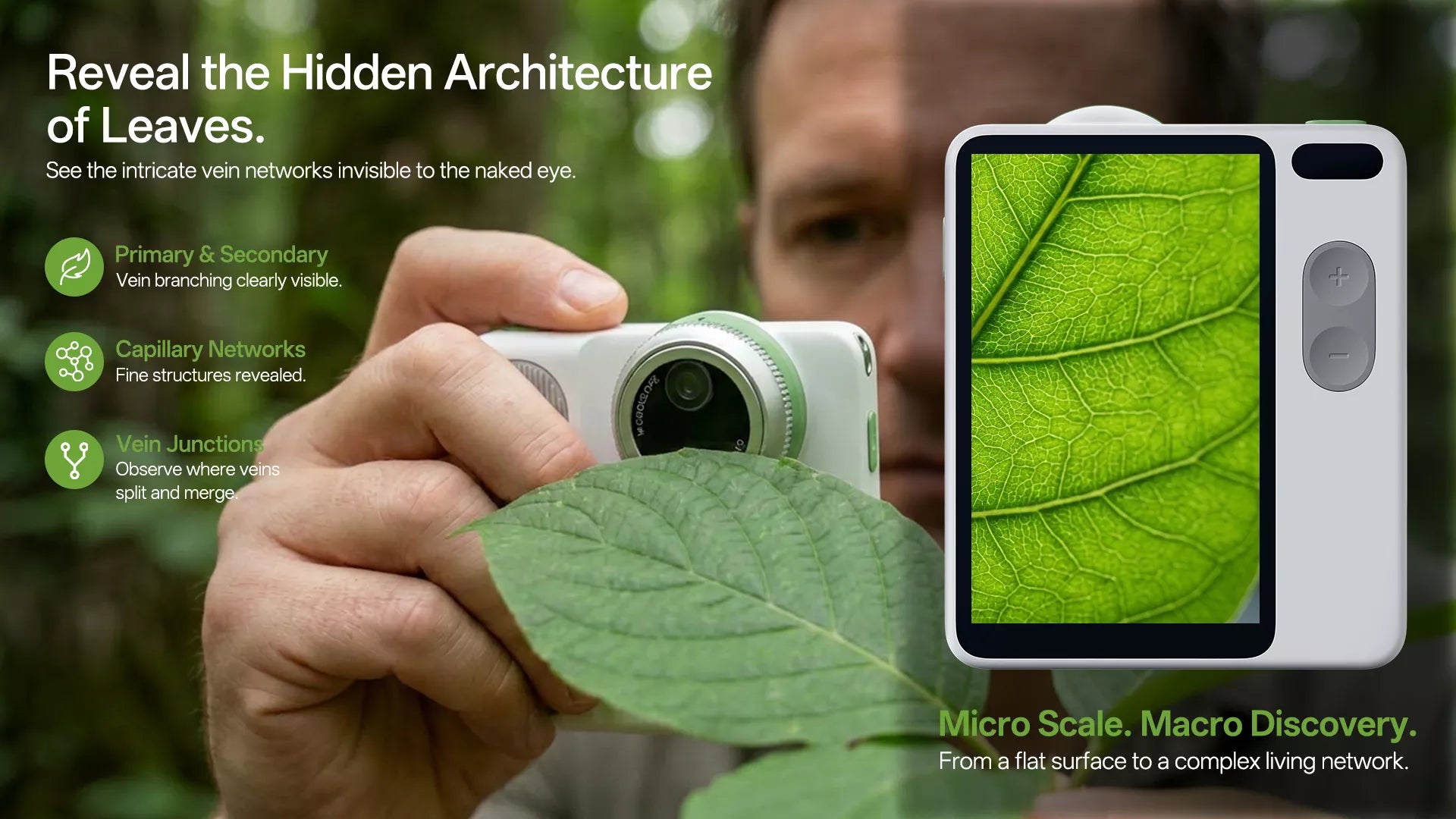
The device is self-contained in all respects. The inbuilt display delivers instant clarity without an external monitor or additional cords enabling fast field documentation. The device has a contemporary, automatic focus that locks your focus tightly on a moving target by pressing the screen. This means you don’t need to make laborious manual modifications, and can freeze precise details onto the sensor right away.
If you want to observe for more extended periods of time, and need a wider canvas, you may connect the gadget to a PC via USB and get a smooth live feed in real time. Or, you may sync it with the dedicated mobile app for rapid transmission of high-res files directly to your phone’s media gallery for field reporting.
The camera cuts smoothly. A quick swipe on the bottom right of the screen brings up Microscope Mode, providing me with the instant 400x magnification I had used to create such realistic images of ants. Then you can adjust your approach according on the subject's behavior:
- Photo Mode: Ideal for capturing the still, crystalline textures of plant veins or freezing a split-second close-up of an insect's facial morphology.
- Video Mode: Great for real-time tracking of dynamic behaviors. For example, I utilized this mode to capture the instant when the ant touched the minuscule surface of the sunflower. See for yourself the amazing steadiness and clarity of the 400x lens on this real film taken on Facebook.
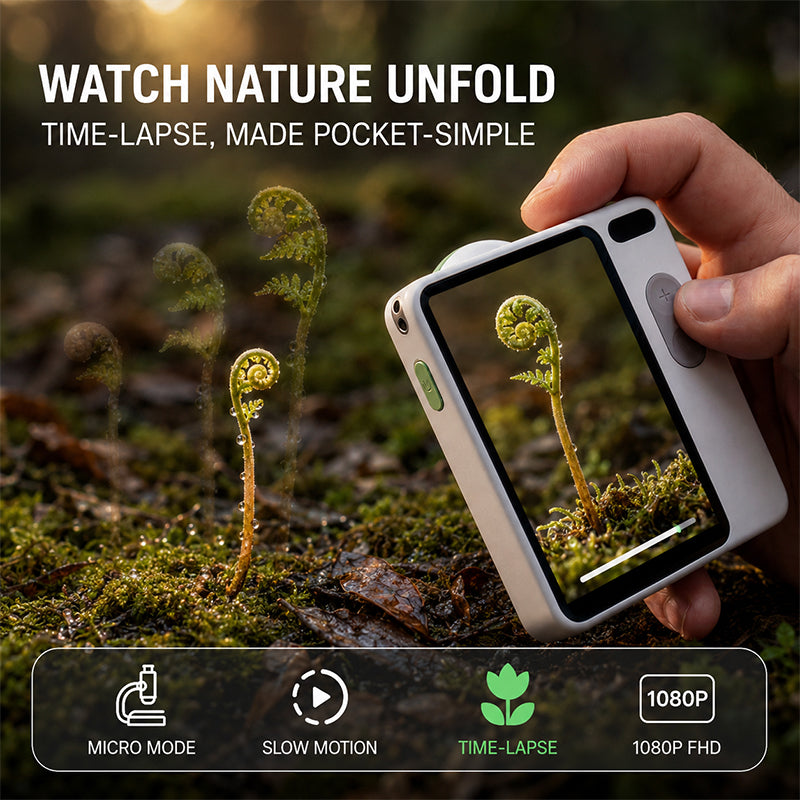
Its built-in time-lapse and burst modes let you chronicle slower natural phenomena, such as a flower bud expanding over hours, or the rapid-fire twitching of an insect’s antenna.
A fresh look at the old
This voyage takes us from the broad diversity of the insect kingdom to a solitary worker on a single sunflower, illustrating the great usefulness of specialized macro instruments. It takes us beyond the knowledge of what wildlife is and lets us really confront the exquisite complexity of the micro world.