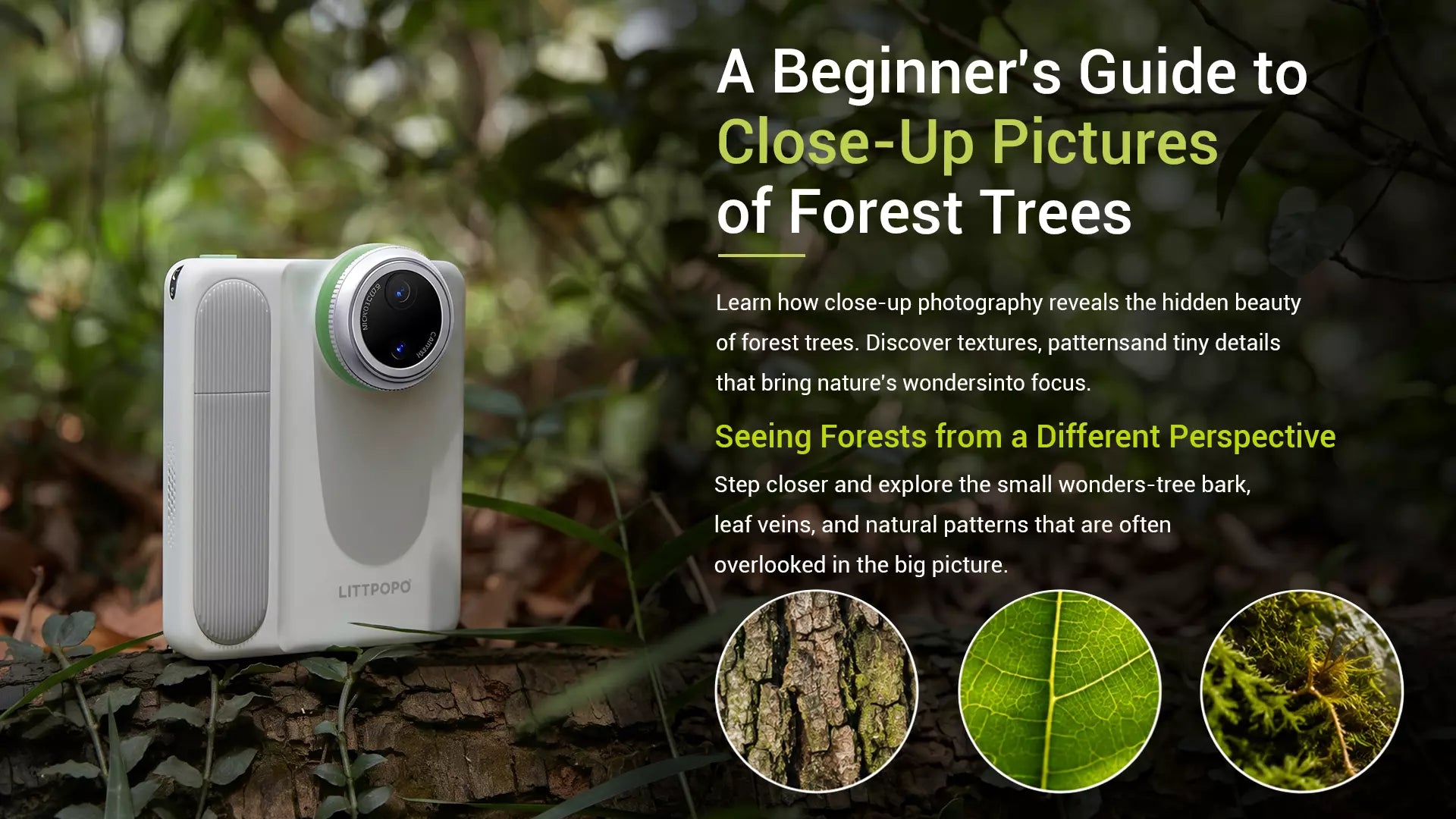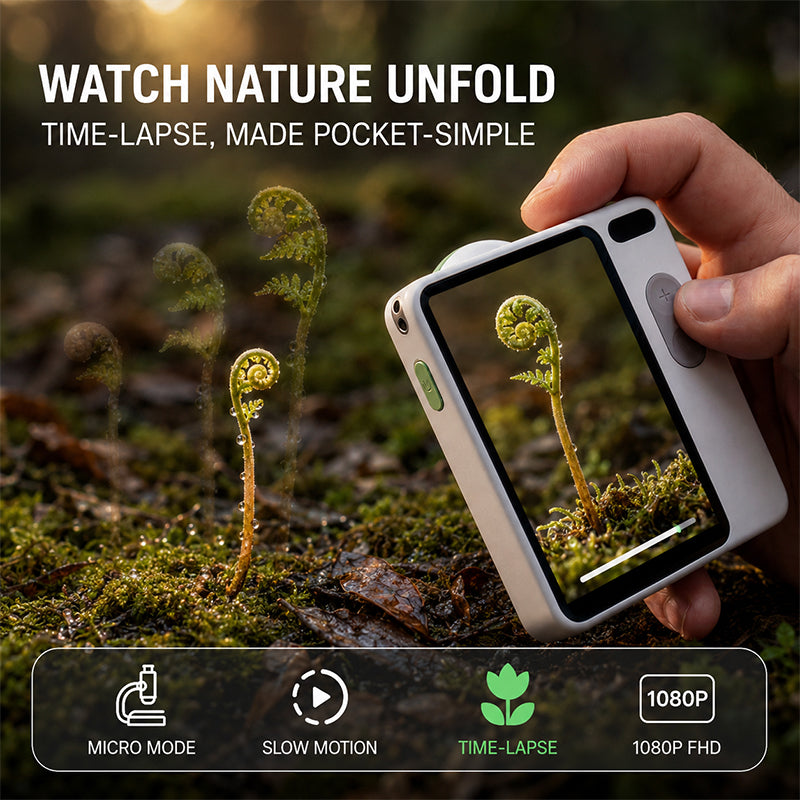


The essence of a wildlife-friendly garden in 2026 is the focus on bringing in biodiversity and building a balance between the garden and its environment. Creating a garden for wildlife in the year 2026 is about attracting wildlife and promoting harmony with nature. Modern gardens cannot only be beautified, but also serve as habitats for birds, butterflies, insects, or animals, and small ones in particular. If well managed, a wildlife garden can be a secure area where nature is free to grow and flourish. Particularly with the help of a nature camera and other tools, smart gardening ideas can be utilized in the creation of connections and improvement of the nature experience in the garden.
A New Way to Explore Nature

The first step to creating a successful wildlife garden is to have a natural feel. It's important that a healthy garden nature space feels comfortable to people, as well as wildlife. Plant some natural plants, flowers, grass, and trees rather than adding manmade objects to the garden. Wild birds or insects are attracted to areas containing food, shade, and shelter. This will add to the dynamics of your garden throughout the seasons and contribute to a balanced garden.
Sourcing plants for a Wildlife Garden.
The main attraction of any wildlife gardening project is the plant! Each of your flowers and shrubs will be a draw for different kinds of wildlife. Flowers are a good springtime colour to provide nectar for butterflies and bumble bees, whilst the larger bushes are also home for birds. Native plants are often best – a good habitat for local wildlife and are suited to the environment. In a garden nature atmosphere, everyone in the garden is enjoying the nice natural impact with colorful flowers, green plants, and a natural grass mixture in the garden.
Adding Water Sources for Wildlife

In 2026, water will be key to creating a wildlife garden. Little creatures, like birds, insects, and small animals, need clean water for many reasons. Even a small birdbath, fountain, or mini pond can make a huge impact to turn your yard into a pond. A moving element also helps to add more relaxing sounds in the Garden and encourages more people to frequent it.
Avoiding Harmful Chemicals
Artificial insecticides and herbicides that have been developed can disrupt a wildlife garden. The use of chemical agriculture or chemical compost should be avoided as much as possible; however, in order to preserve a healthy environment in the garden. Therefore, cultivation of flowers and plants in the grounds of organic gardening is also safe, and there exist butterflies, bees, and birds in the flowery terrace without any problem. Over time, a manageable, sound, and sustainable plan for a garden nature space.
Making the Garden Beautiful and Functional
If the garden is to be beautiful and to benefit nature, it has to be a wildlife garden. Well-placed flowers, pathways of green plants, and nature-friendly seating can be calming to humans as well in the outdoor area. Strategies for creating a wildlife-friendly garden in 2026 are about providing a more comprehensive garden that is comfortable and beautiful to benefit wildlife.
Conclusion
Creating a wildlife-friendly garden in 2026 involves creating or establishing an outdoor space that is beneficial to animals as well as humans. Your healthy garden nature ideas and tools, like a nature camera, can make a well-designed oasis for wildlife into more than just a garden; it becomes a living, beautiful, moving, and discovering ecosystem. Since the individual can help the natural environment, whatever he does in the garden can contribute to making it a rich environment for wildlife as well as for outdoor enjoyment.